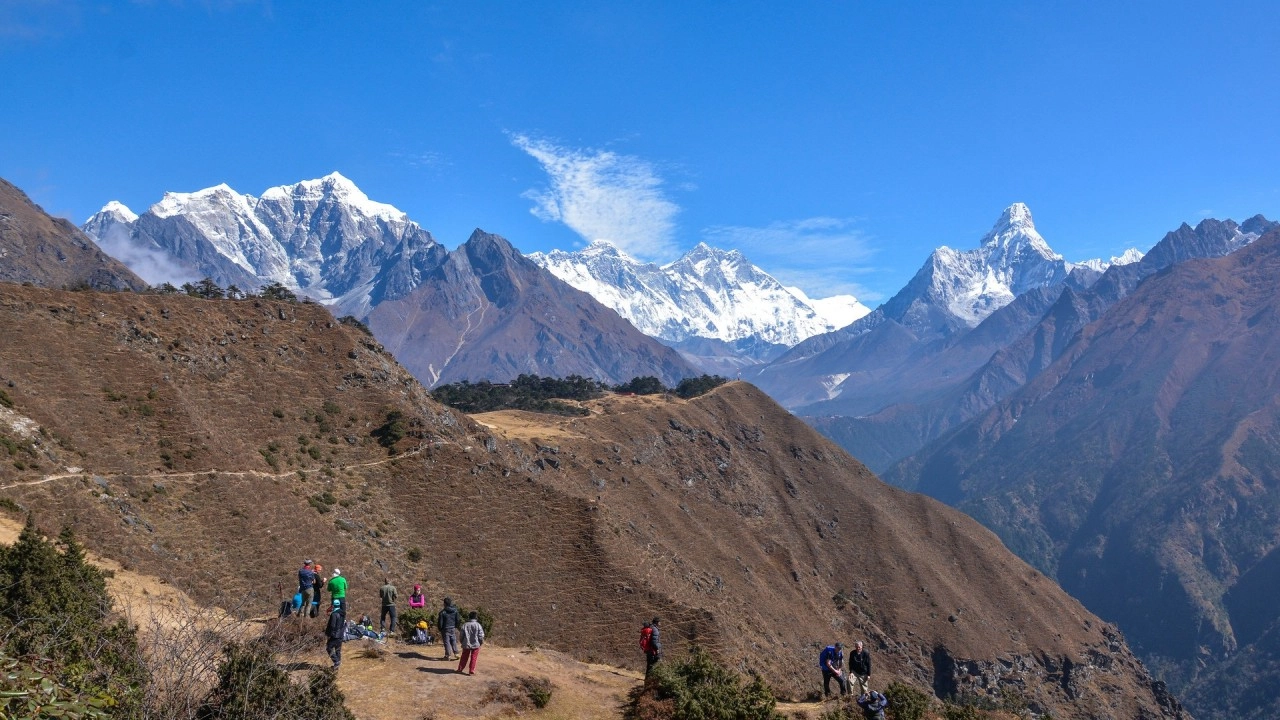
- JourneysEverest, Annapurna and Langtang RegionClassic Himalayan Circuit TreksDolpo, Mustang and Remote Treks
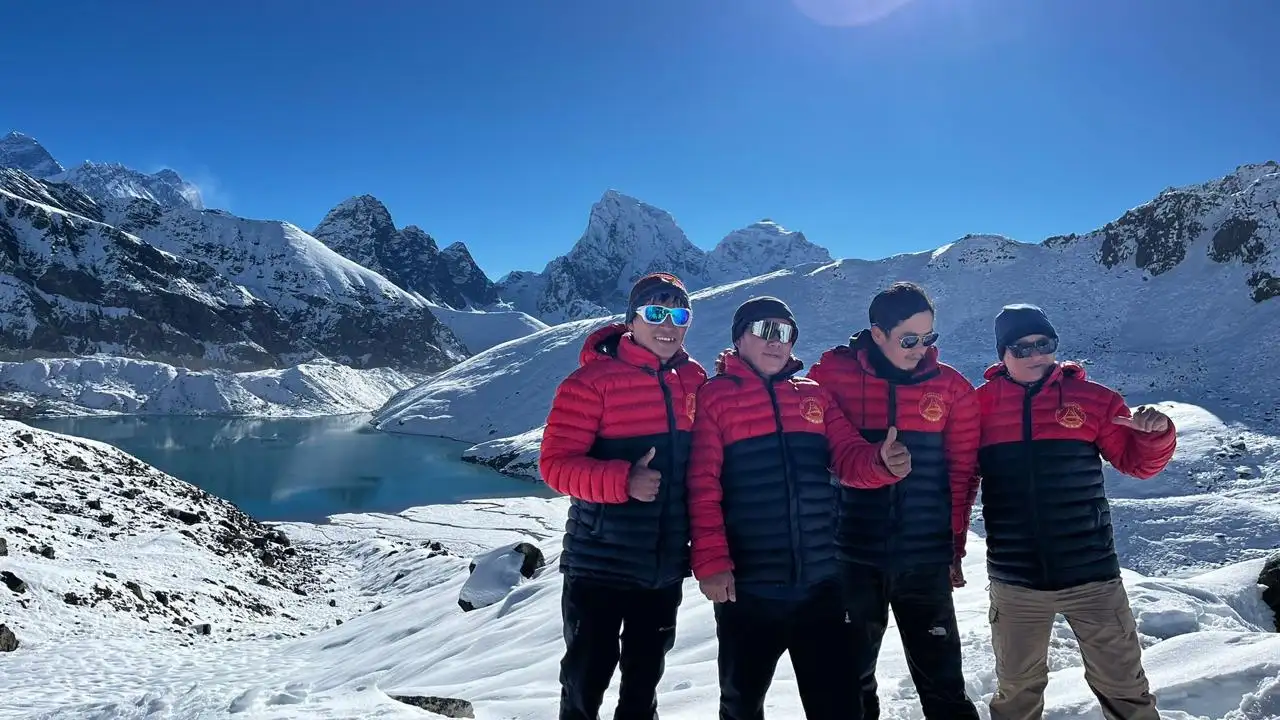
Find Your Perfect Trek
Not sure which trek suits you? Tell us your fitness level, days available and dream destination — we'll match you with the right journey.
Start PlanningClimbing ExpeditionsPlanning a custom peak expedition? Our experienced guides can take you to summits across Nepal. Contact us to discuss your goals.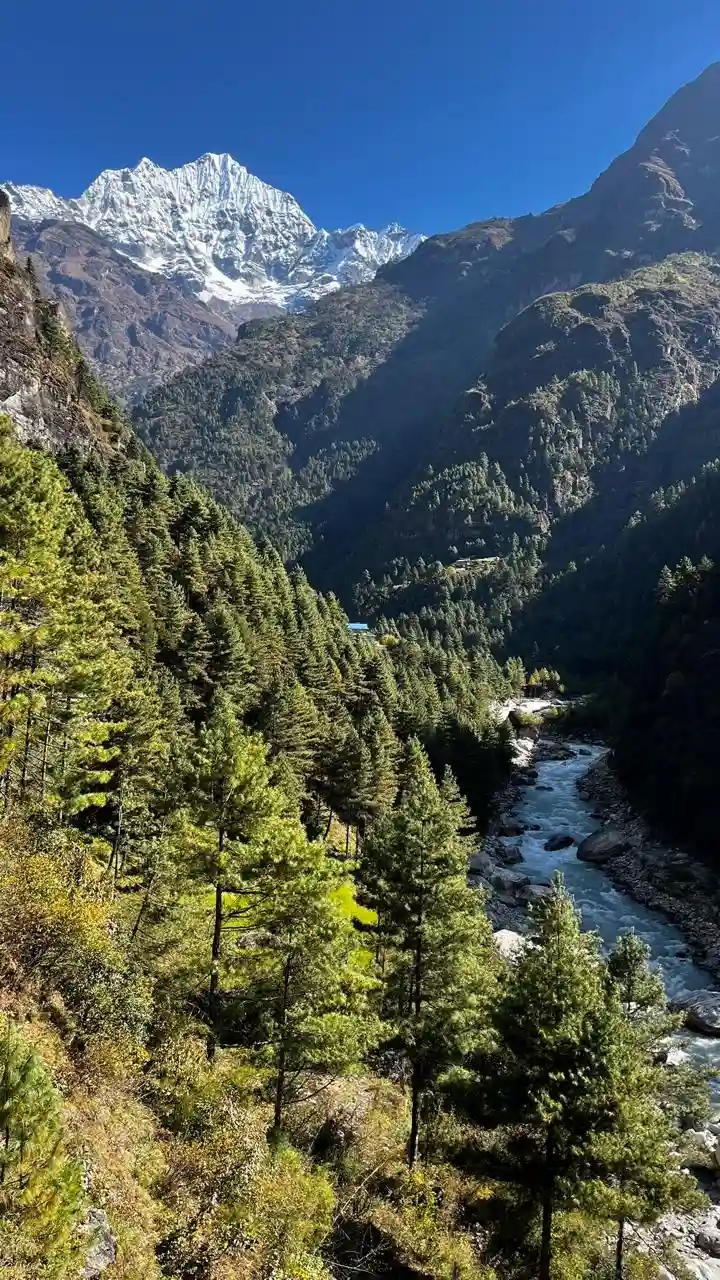
Conquer Your First Himalayan Peak
No prior climbing experience needed. Our certified guides prepare you from base to summit — safely and unforgettably.
Customize your JourneyLooking for a private pilgrimage or a custom cultural route? Get in touch and we will plan your sacred journey.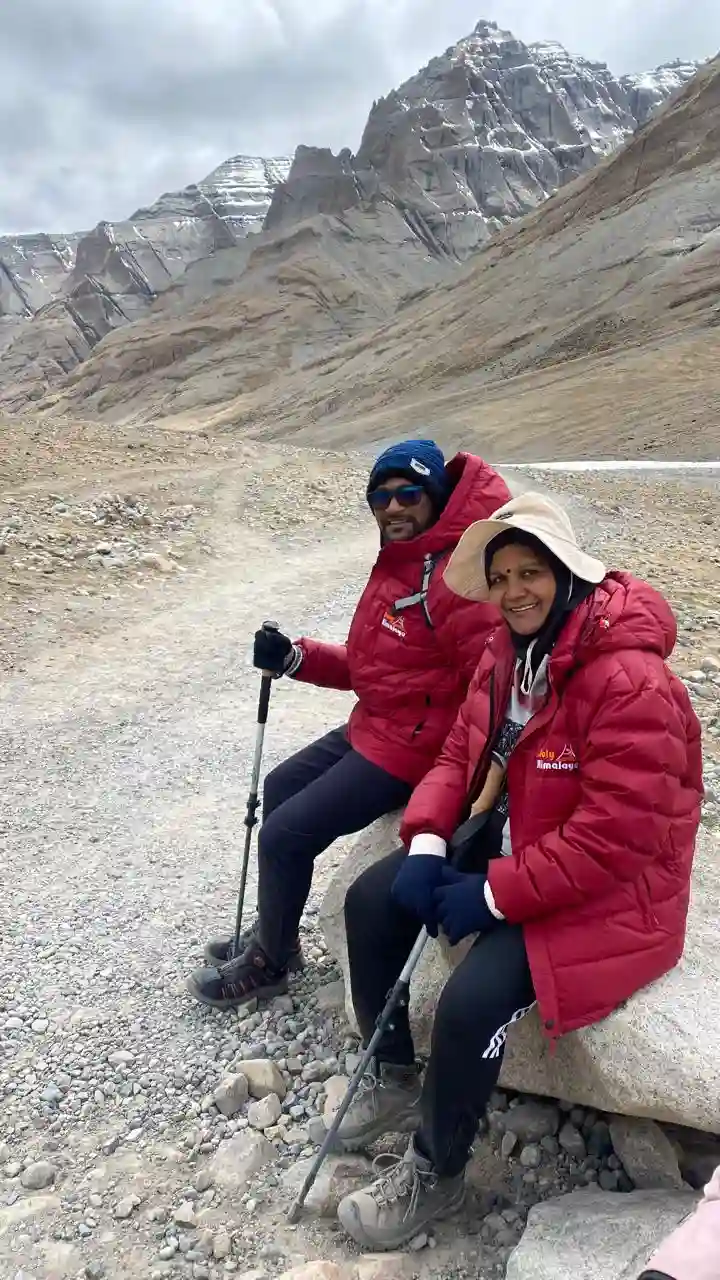
Walk the Path to Mount Kailash
One of the most sacred pilgrimages on earth - journey to the holy shores of Manasarovar and circle the divine Kailash.
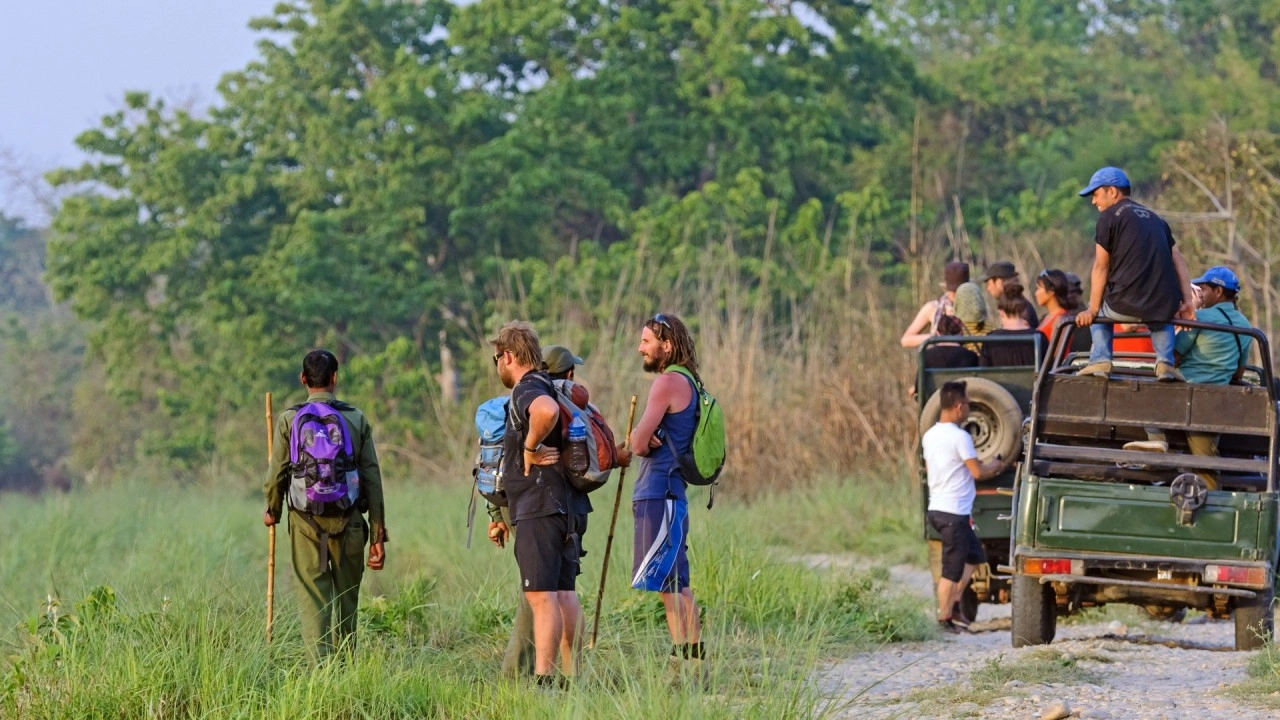
Start Planning your routeNepal Wildlife and NatureWant a private wildlife safari or a custom birding route? Contact us to design your nature experience.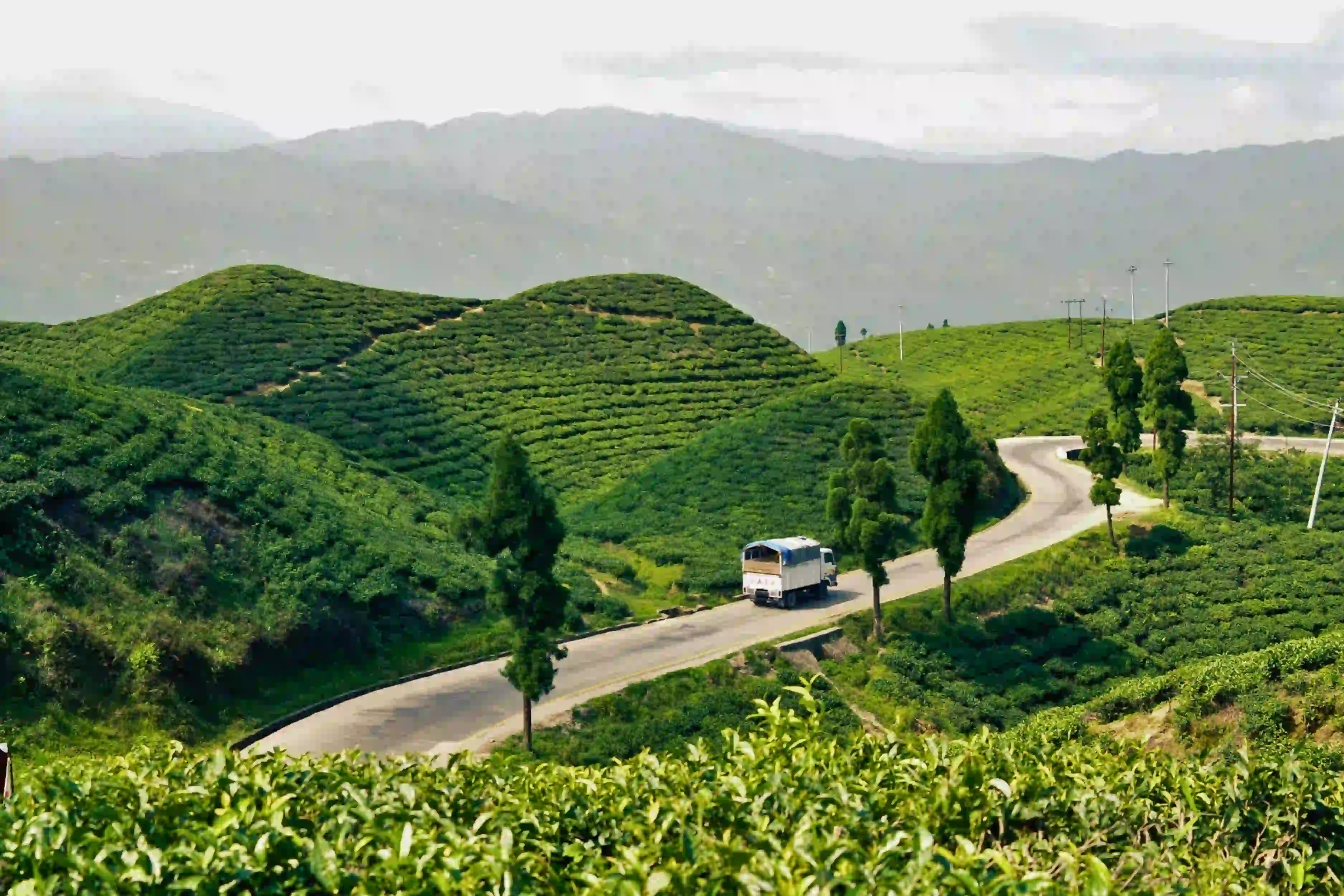
Nepal Beyond the Mountains
From rhinos in Chitwan to rare birds in the Terai — Nepal's wildlife is as breathtaking as its peaks.
Start PlanningHeli Tours in NepalWant a private helicopter charter to Everest, Annapurna or Langtang? Contact us for custom heli packages and group rates.
See Everest in a Single Day
No weeks of trekking needed. Fly directly to Everest Base Camp and back — the ultimate Himalayan experience in just one day.
Start Planning - Inter-Country ToursTibet and Kailash ToursDreaming of a private pilgrimage to Kailash or a custom Tibet route? Contact us and our team will plan your sacred journey.
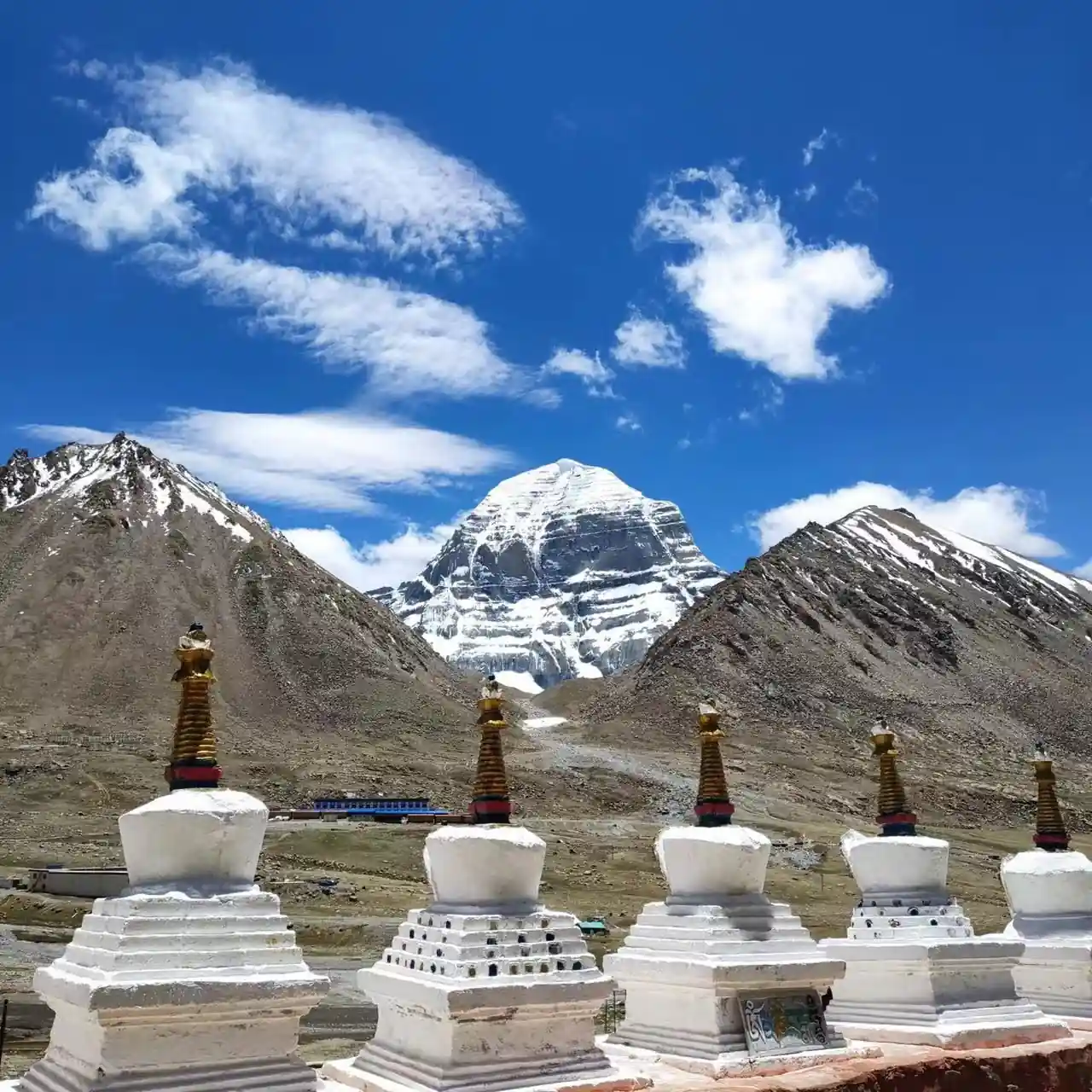
Journey to the Sacred Mount Kailash
Circle the most sacred mountain on earth. Walk the shores of Manasarovar Lake and experience a once-in-a-lifetime Tibetan pilgrimage
Start PlanningIndia ToursLooking to explore more of India? Contact us to build a custom India itinerary tailored to your interests.
Explore the Golden Triangle of India
Delhi, Agra and Jaipur — three iconic cities packed with Mughal history, grand palaces and the timeless Taj Mahal. A perfect add-on to your Nepal trip.
Start Planning - Our StoriesAbout Holy Himalaya Eco Trek NepalOver three decades of guiding travellers through the Himalayas - rooted in Nepal, driven by passion. Learn our story.
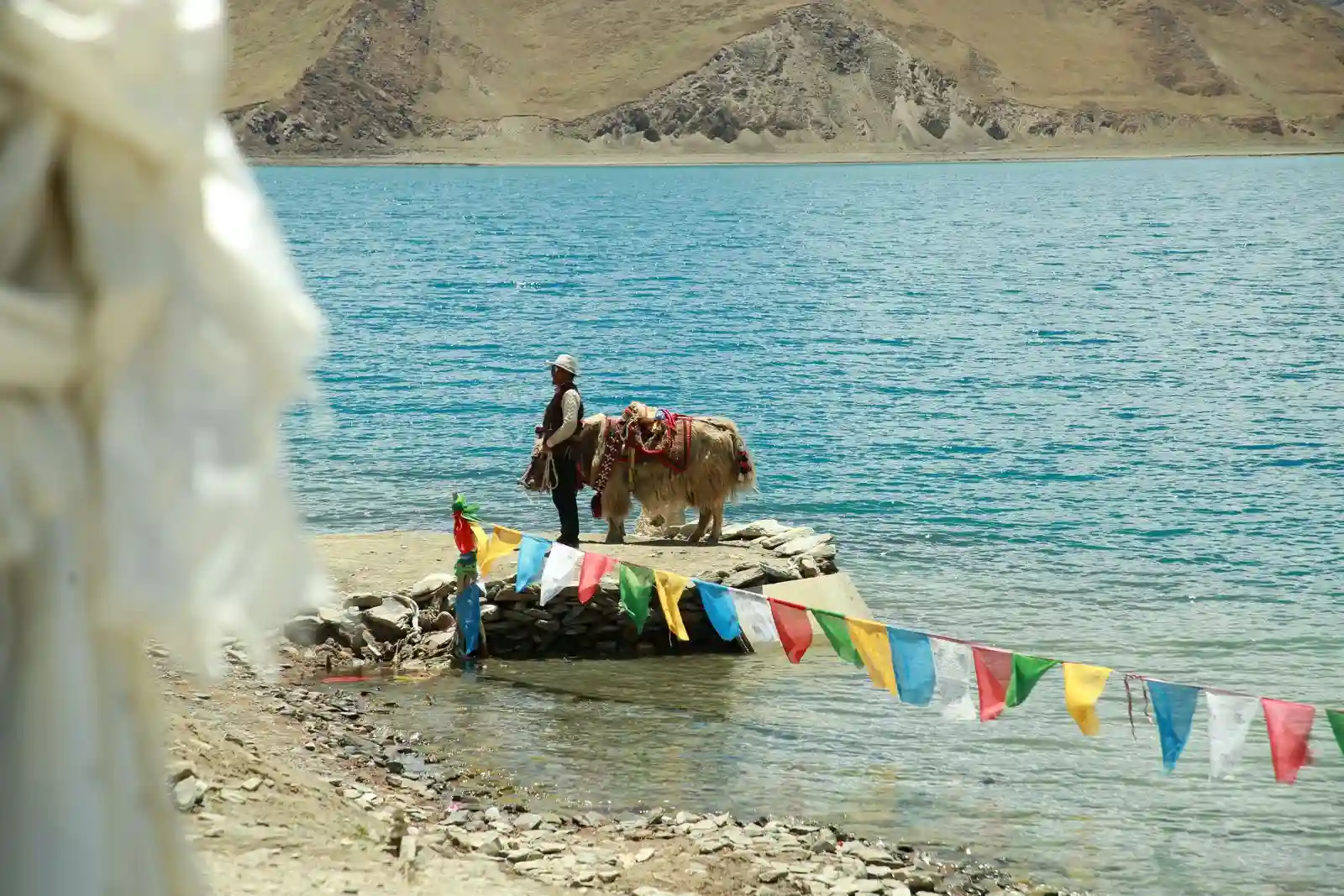
Moments from the Mountains
Explore photos from our treks across Everest, Annapurna, Langtang, Mustang and beyond.
View Gallery - Blogs & FAQs
- Inquire
National Parks Trips

Tour snapshot
Nepal
Wildlife Trips
Overview
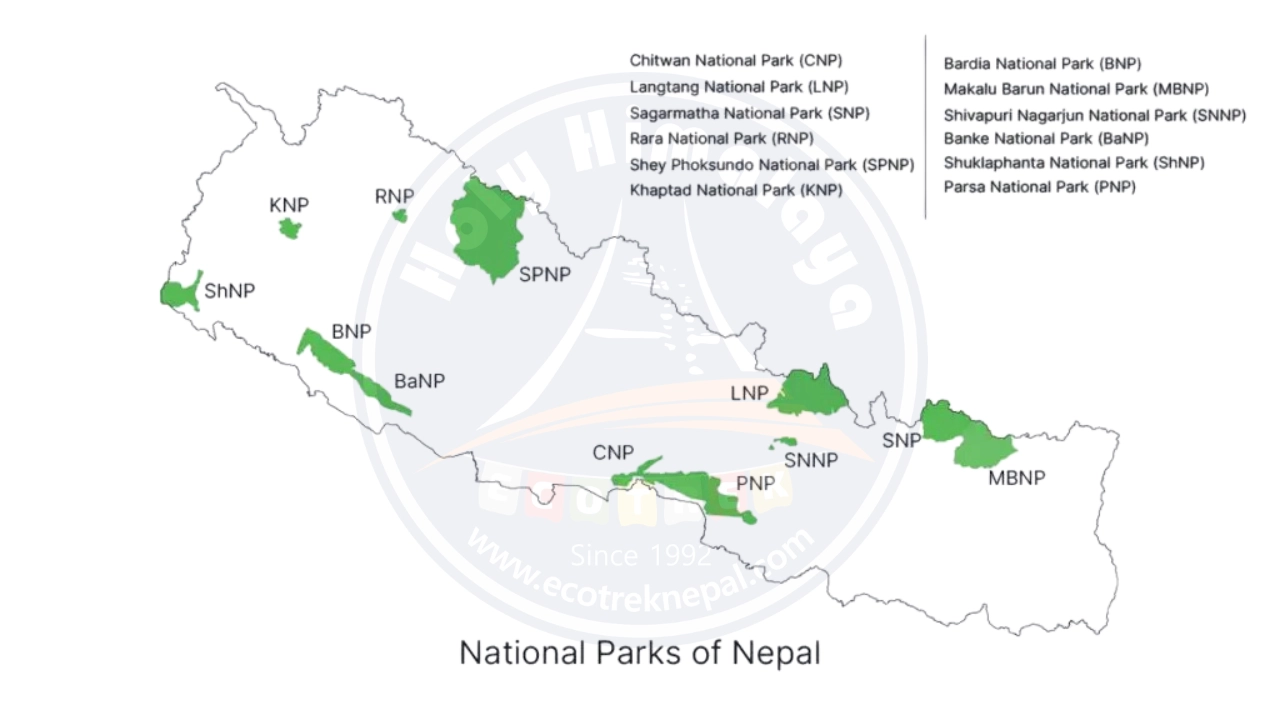
From towering peaks to rich biodiversity, Nepal encompasses a unique blend of natural beauty and cultural heritage. It contains 12 national parks, each safeguarding its precious natural heritage. These parks, ranging from the lowlands of Terai to the hills and Himalayas, are gateways to Himalayan adventures and unique wildlife encounters.
Some of Nepal's most famous national parks are located in the Terai Lowlands. Chitwan National Park is famous for its dense jungle and wide variety of wildlife, which include the endangered Royal Bengal tiger and the one-horned rhinoceros. On the other hand, Parsa National Park is a lesser-known beauty with its serene landscapes and rich varieties of flora and fauna. Banke National Park is a haven for wildlife enthusiasts, with the Asian elephant and the four-horned antelope, among other species. Bardiya National Park is famous for its large population of Bengal tigers and the Gangetic dolphin. One could trek through lush tropical and subtropical forests with guides experienced in the ways of the jungle. Whether it's a bear, a herd of deer, colorful peacocks, noisy monkeys, or the majestic Royal Bengal tiger, every visit is filled with suspense and excitement.
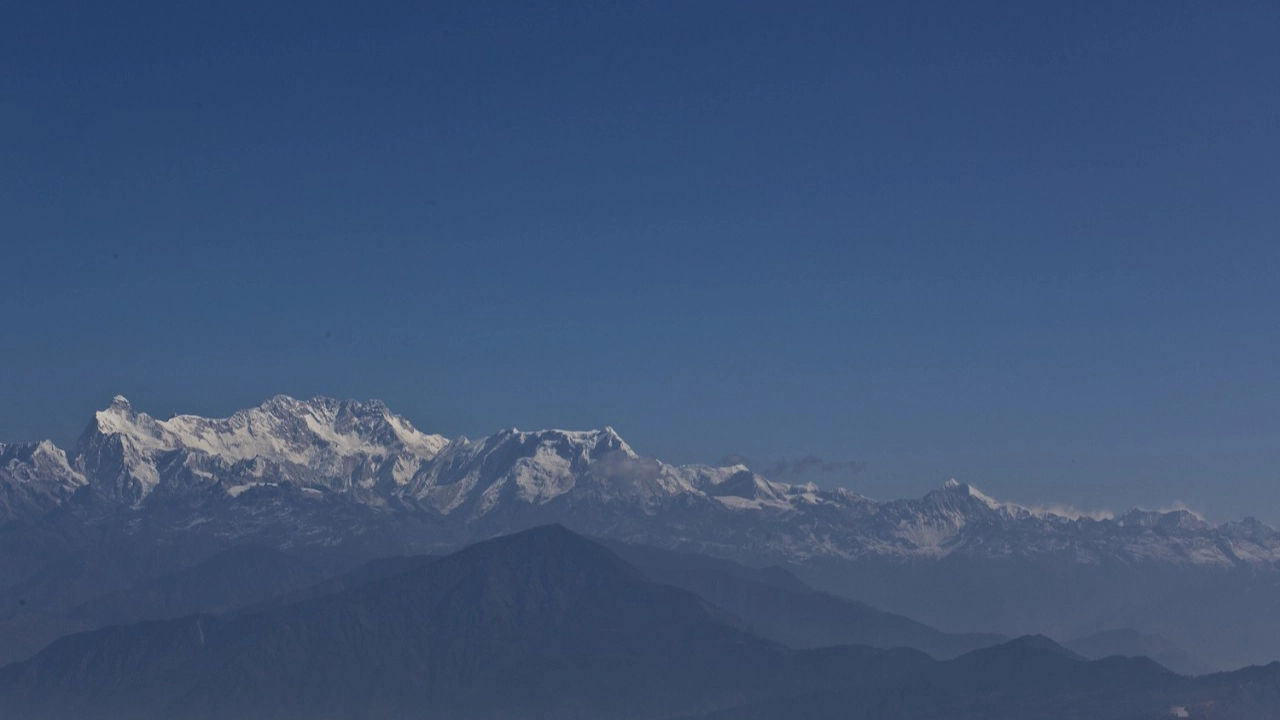
Moving from the sweltering jungles of the Terai to the high-altitude regions, Nepal offers a diverse landscape within a short distance. Sagarmatha National Park, home to Mount Everest, offers breathtaking views and the chance to spot the rare snow leopard. Langtang National Park is famous for its overwhelming scenery and rich cultural heritage, making it ideal for trekking and cultural exploration. Shivapuri Nagarjun National Park, located close to Kathmandu, offers a quick getaway into nature with beautiful hiking trails. Makalu Barun National Park boasts some of the most remote and rugged landscapes, which is a haven for trekkers and adventurers.
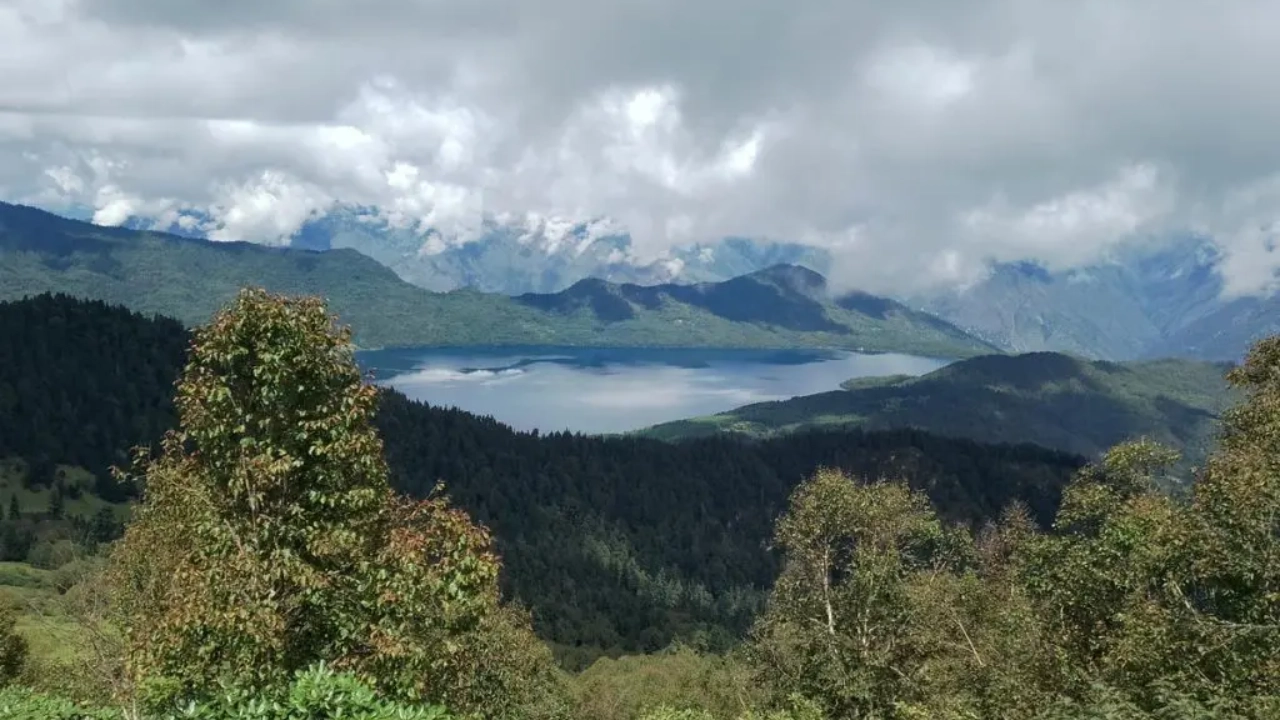
Rara National Park is famous for the largest lake, Rara Lake, in Nepal, amidst serene beauty with a variety of wildlife. Khaptad is known for its unique landscapes and rich biodiversity, ideally meant for solitude and tranquility. Shuklaphanta National Park is a haven for birdwatchers, with its huge groups of swamp deer and different species of birds, while Shey Phoksundo National Park is known for its stunning scenery and a variety of wildlife, with the main feature being the stunning Phoksundo Lake.
Visiting Nepal's national parks is not about spotting the animals; it is about absorbing the magnificent landscapes and understanding the importance of preserving this flora and fauna. Each park has some unique something that makes every journey once in a lifetime. It may be trekking into the tropical jungles of Terai or exploring the high altitudes of the Himalayas; whatever it is, Nepal's national parks serve as the venue for a lifetime experience. They are not mere wildlife reserves but equally sanctuaries that protect the natural and cultural heritage of this country. So, pack your bags and go on an adventure to see the majestic jewels of Nepal while helping maintain its sanctity.
ITINERARY FOR THESE KINDS OF TRIPS IS MADE ACCORDING TO YOUR NEEDS AND REQUIREMENTS.
Highlights
§ Spot the endangered Royal Bengal tiger and one-horned rhinoceros.
§ Explore the unique flora and fauna in the varying landscapes, from the Terai plains to the high Himalayas.
§ Enjoy serene landscapes and diverse flora and fauna.
§ Trek through stunning scenery and explore a rich cultural heritage.
§ Explore unique landscapes and rich biodiversity in solitude.
Itinerary
Service Fee Only, Explore Nepal Fully!
FAQs about National Parks Trips
Holy Himalaya Eco Trek offers eco-friendly national park trips across Nepal, combining wildlife experiences, conservation awareness, local community engagement, and responsible tourism practices.
Holy Himalaya Eco Trek provides experienced naturalist guides, customized safari itineraries, responsible tourism practices, and wildlife-focused journeys across Nepal's most important protected areas.
Chitwan National Park, Bardia National Park, Sagarmatha National Park, Langtang National Park, Shey Phoksundo National Park, Rara National Park, and Shuklaphanta National Park are among Nepal's most visited protected areas.
Bardia National Park and Chitwan National Park offer the best opportunities to spot Royal Bengal Tigers in Nepal, especially during the dry season.
Chitwan National Park is the best destination in Nepal for observing the endangered greater one-horned rhinoceros in its natural habitat.
Koshi Tappu Wildlife Reserve, Chitwan National Park, and Shuklaphanta National Park are among the best birdwatching destinations in Nepal, hosting hundreds of resident and migratory bird species.
Chitwan National Park is often considered the best family-friendly wildlife destination due to its easy access, comfortable lodges, and variety of safari activities.
Yes. Holy Himalaya Eco Trek can combine national park safaris with popular trekking regions such as Everest, Annapurna, Langtang, Manaslu, and Khaptad.
Depending on the park, you may encounter Royal Bengal Tigers, one-horned rhinoceros, Asian elephants, red pandas, snow leopards, black bears, Gangetic dolphins, deer, monkeys, and hundreds of bird species.
Popular safari activities include jeep safaris, jungle walks, canoe rides, birdwatching excursions, wildlife photography tours, cultural village visits, and nature interpretation walks.
Chitwan offers easier access and more tourism facilities, while Bardia provides a more remote wilderness experience with fewer visitors and excellent tiger-viewing opportunities.
Snow leopards inhabit high-altitude protected areas such as Shey Phoksundo National Park, Sagarmatha National Park, and Kanchenjunga Conservation Area, although sightings are rare.
Bardia National Park, Khaptad National Park, and Rara National Park offer quieter wildlife and nature experiences compared to more visited destinations.
Nepal is globally recognized for successful conservation programs that have helped increase populations of one-horned rhinoceros, Bengal tigers, and several endangered wildlife species.
Yes. Nepal's protected areas provide outstanding opportunities for wildlife, bird, landscape, and conservation photography throughout the year.
October to April is generally considered the best season for wildlife photography due to clear weather, pleasant temperatures, and increased animal visibility.
Chitwan National Park is one of Nepal's richest ecosystems, supporting a remarkable diversity of mammals, reptiles, birds, and plant species.
Most national parks are open throughout the year, although wildlife sightings and accessibility are generally best during the dry seasons of autumn and spring.
Yes. Guided safaris greatly enhance wildlife spotting opportunities while ensuring visitor safety and environmental responsibility.
Holy Himalaya Eco Trek promotes ethical wildlife viewing, supports local communities, minimizes environmental impact, and encourages conservation-focused travel experiences.
Essential items include binoculars, a camera, neutral-colored clothing, sunscreen, insect repellent, a hat, comfortable walking shoes, and a reusable water bottle.
Tiger sightings are never guaranteed, but Chitwan and Bardia National Parks provide some of the highest chances of seeing wild Bengal tigers in South Asia.
Yes. Nepal's national parks are suitable for solo travelers, and Holy Himalaya Eco Trek can arrange guided departures and customized itineraries for individuals.
Nepal combines rare wildlife, Himalayan landscapes, successful conservation programs, rich cultural experiences, and accessible safari opportunities within a relatively small geographical area.
Nepal offers a rare combination of Bengal tigers, rhinos, snow leopards, red pandas, Himalayan scenery, indigenous cultures, and conservation success stories, creating an unmatched wildlife travel experience.