- JourneysEverest, Annapurna and Langtang RegionClassic Himalayan Circuit TreksDolpo, Mustang and Remote Treks

Find Your Perfect Trek
Not sure which trek suits you? Tell us your fitness level, days available and dream destination — we'll match you with the right journey.
Start PlanningClimbing ExpeditionsPlanning a custom peak expedition? Our experienced guides can take you to summits across Nepal. Contact us to discuss your goals.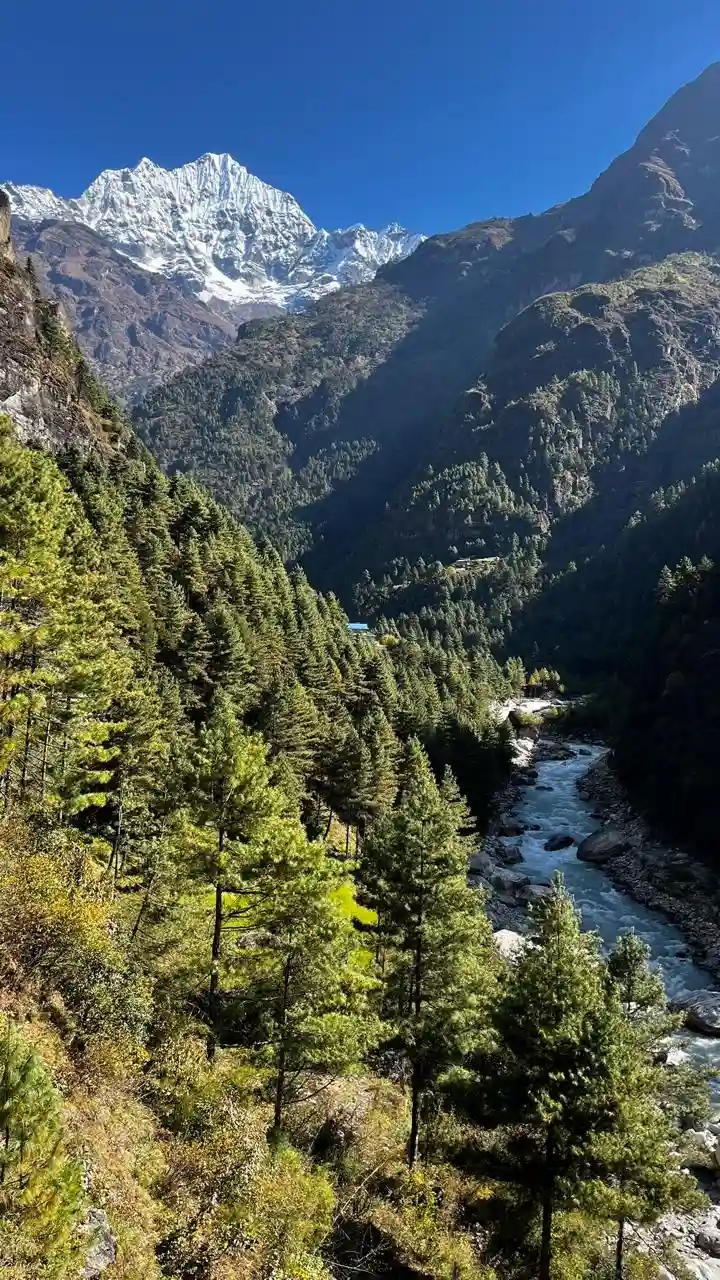
Conquer Your First Himalayan Peak
No prior climbing experience needed. Our certified guides prepare you from base to summit — safely and unforgettably.
Customize your JourneyLooking for a private pilgrimage or a custom cultural route? Get in touch and we will plan your sacred journey.
Walk the Path to Mount Kailash
One of the most sacred pilgrimages on earth - journey to the holy shores of Manasarovar and circle the divine Kailash.
Start Planning your routeNepal Wildlife and NatureWant a private wildlife safari or a custom birding route? Contact us to design your nature experience.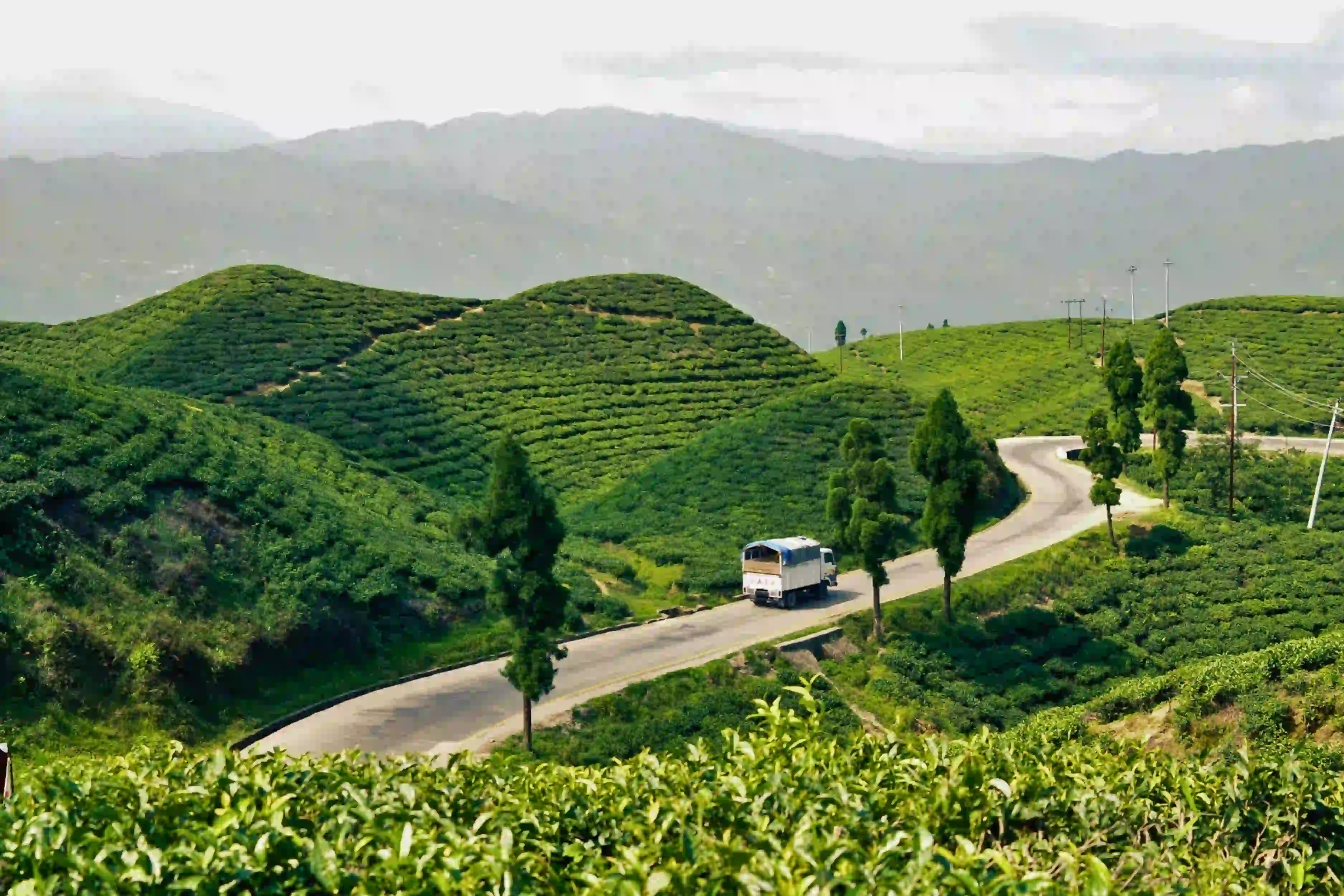
Nepal Beyond the Mountains
From rhinos in Chitwan to rare birds in the Terai — Nepal's wildlife is as breathtaking as its peaks.
Start PlanningHeli Tours in NepalWant a private helicopter charter to Everest, Annapurna or Langtang? Contact us for custom heli packages and group rates.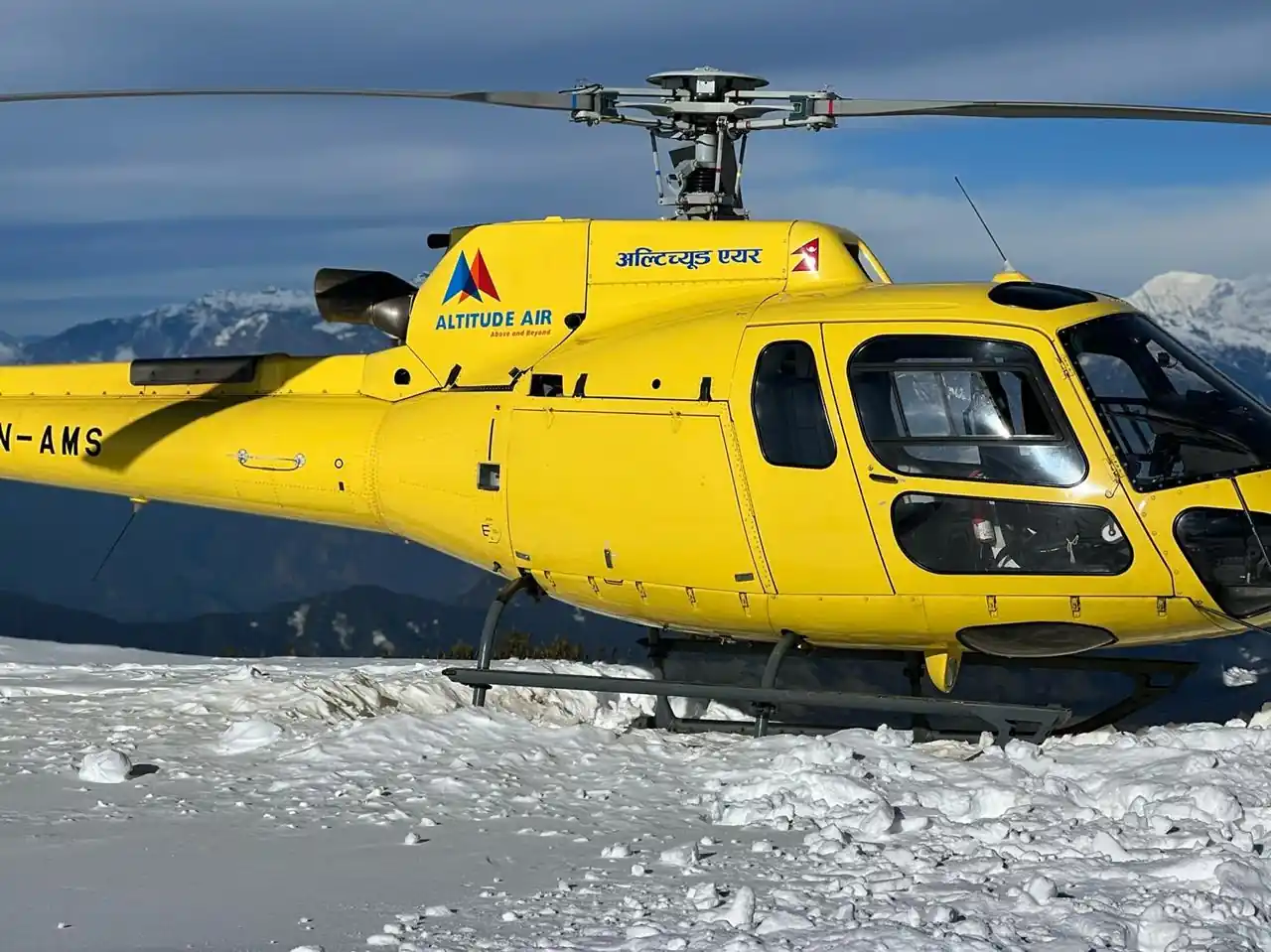
See Everest in a Single Day
No weeks of trekking needed. Fly directly to Everest Base Camp and back — the ultimate Himalayan experience in just one day.
Start Planning - Inter-Country ToursTibet and Kailash ToursDreaming of a private pilgrimage to Kailash or a custom Tibet route? Contact us and our team will plan your sacred journey.

Journey to the Sacred Mount Kailash
Circle the most sacred mountain on earth. Walk the shores of Manasarovar Lake and experience a once-in-a-lifetime Tibetan pilgrimage
Start PlanningIndia ToursLooking to explore more of India? Contact us to build a custom India itinerary tailored to your interests.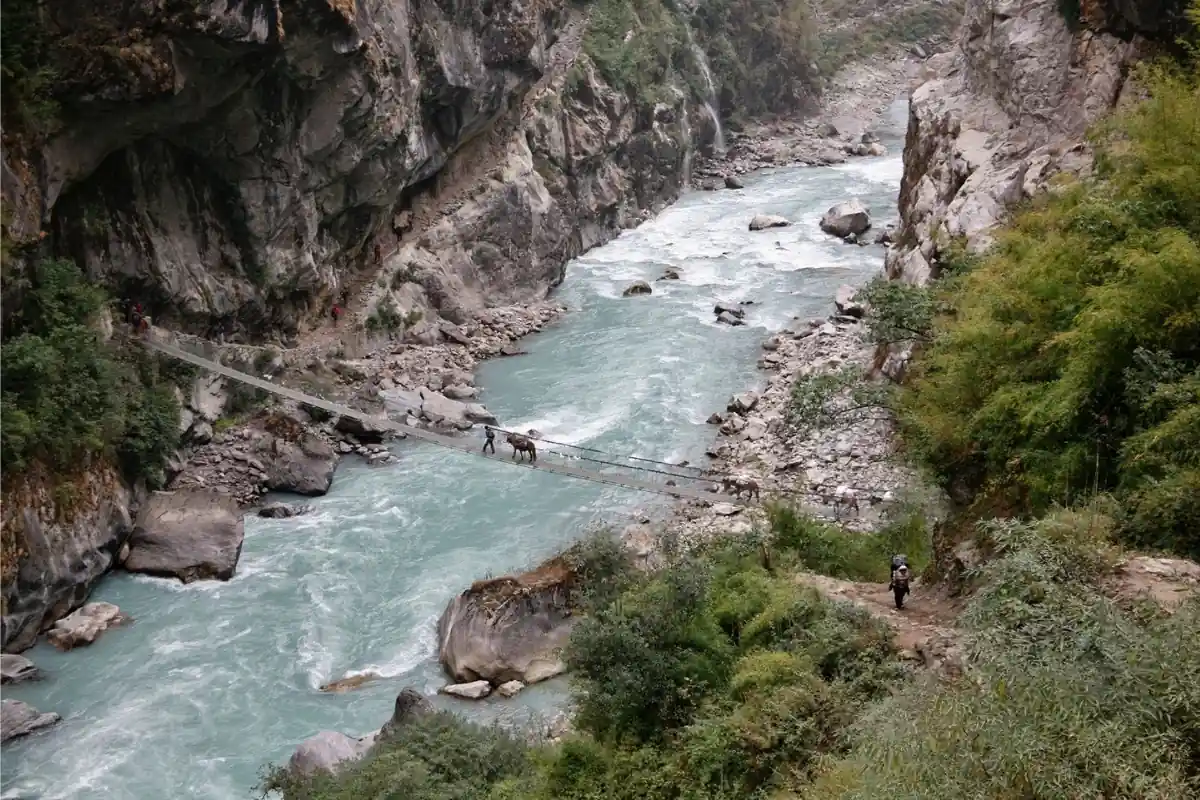
Explore the Golden Triangle of India
Delhi, Agra and Jaipur — three iconic cities packed with Mughal history, grand palaces and the timeless Taj Mahal. A perfect add-on to your Nepal trip.
Start Planning - Our StoriesAbout Holy Himalaya Eco Trek NepalOver three decades of guiding travellers through the Himalayas - rooted in Nepal, driven by passion. Learn our story.
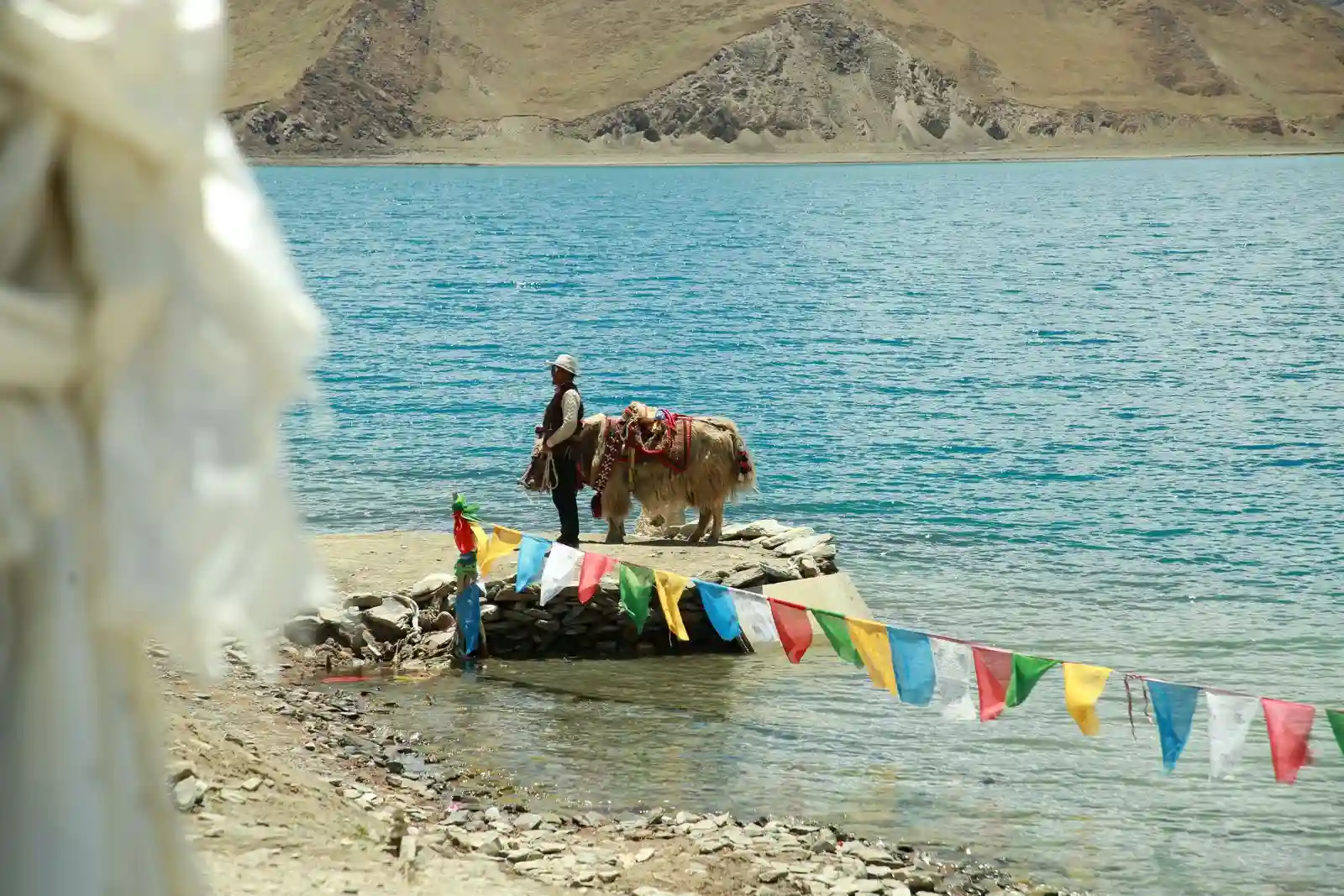
Moments from the Mountains
Explore photos from our treks across Everest, Annapurna, Langtang, Mustang and beyond.
View Gallery - Blogs & FAQs
- Inquire
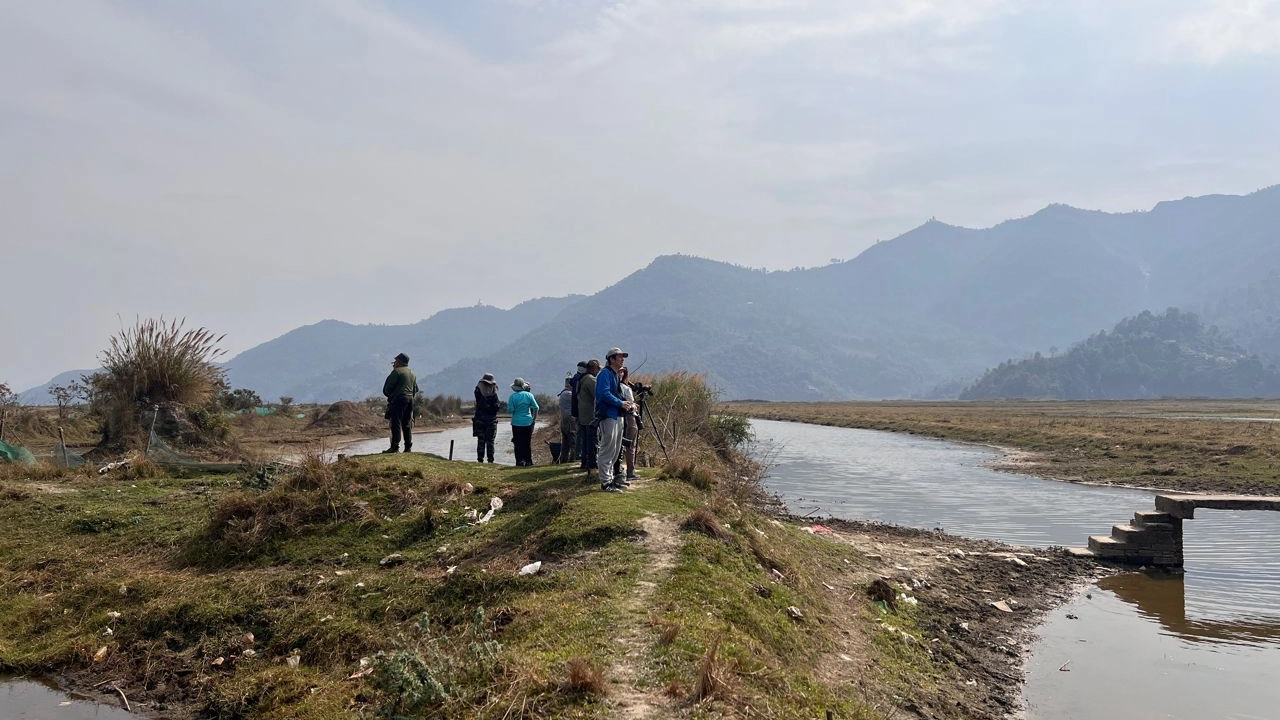
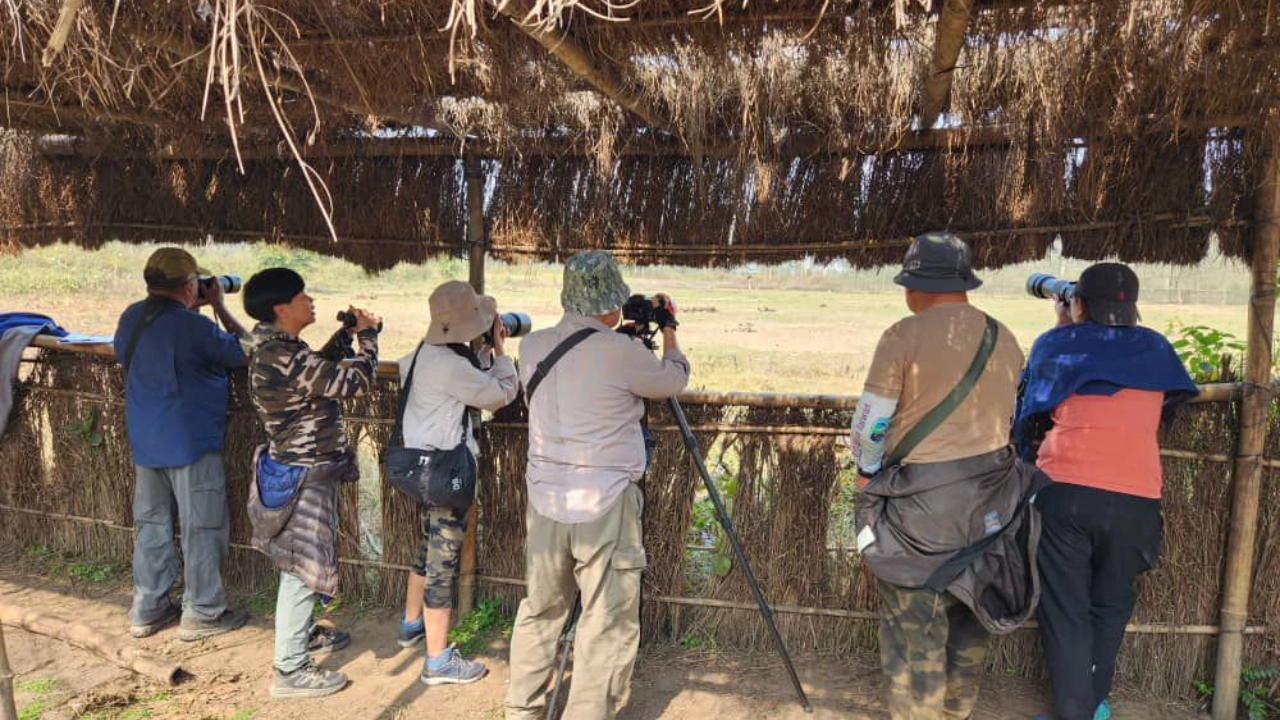
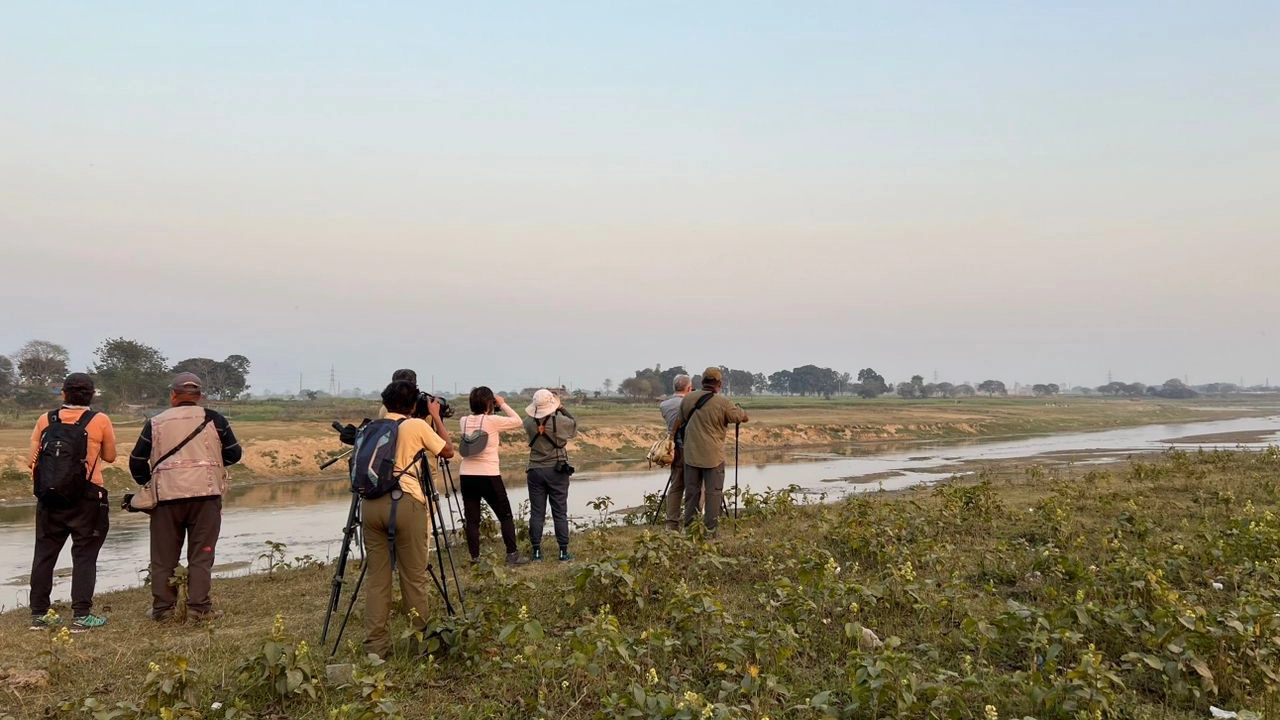
Bird-Watching Trip in different landscapes of Nepal
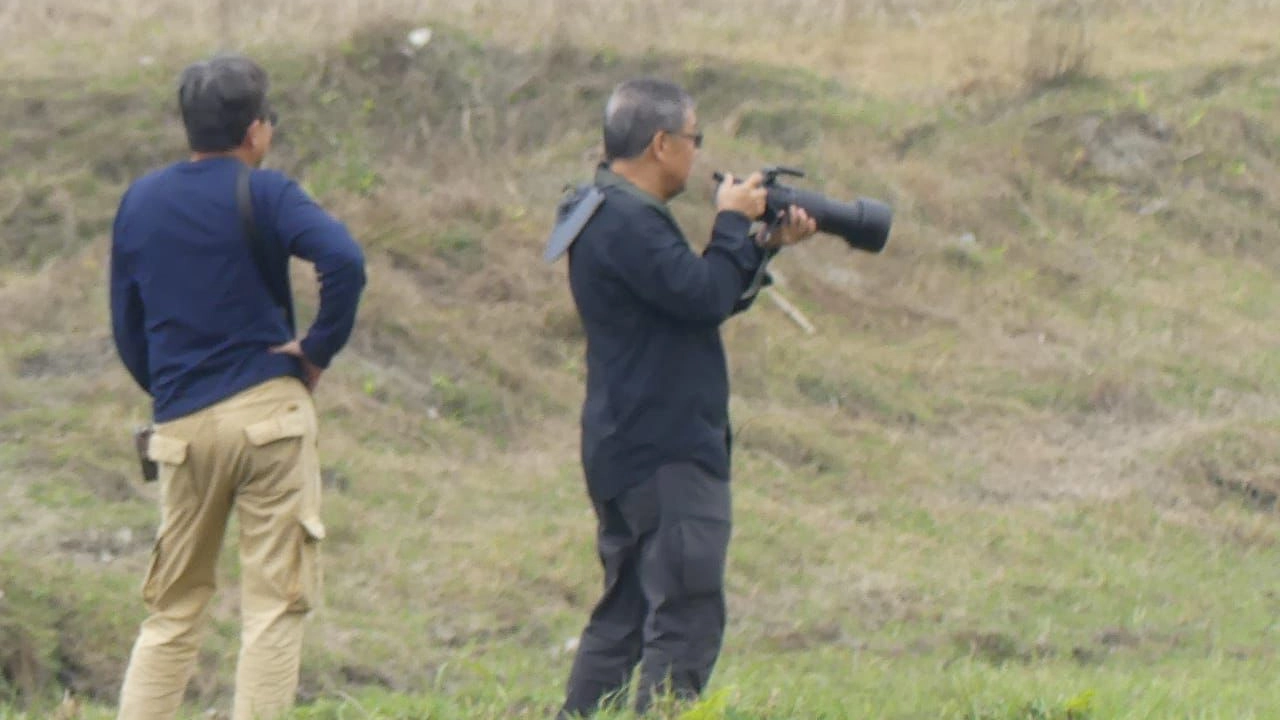

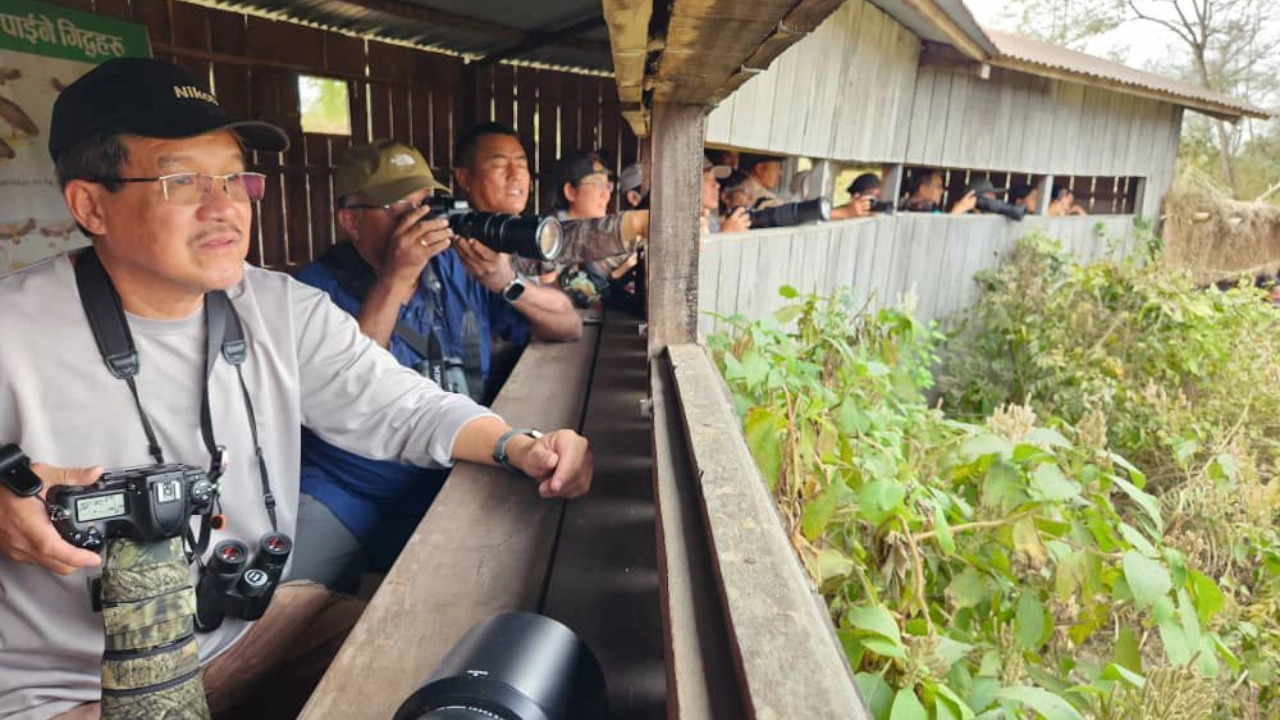

Tour snapshot
Overview
Nestled between China and India, Nepal is much more than the center for extreme adventures—it's a basket full of nature and culture. From 60 meters above sea level in the lowlands to the mighty Mount Everest, Nepal contains a vast range of landscapes. Pilgrims flock to its holy sites, adding to its spiritual significance.
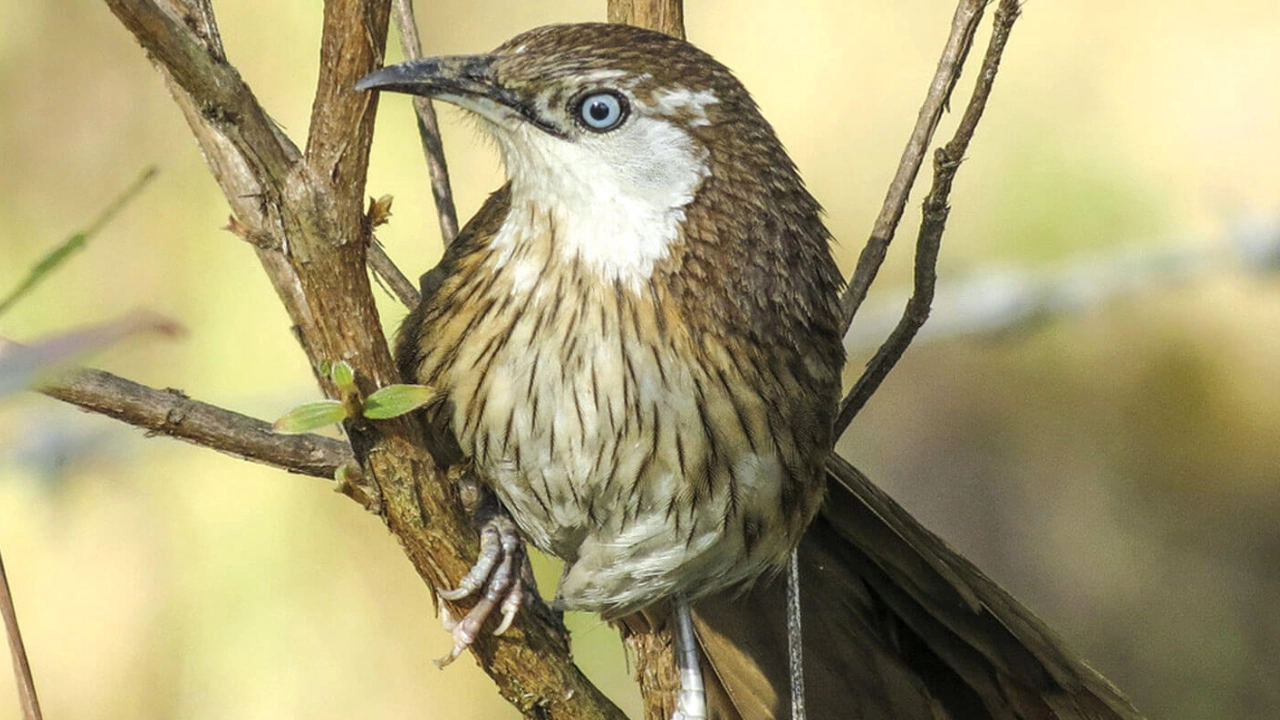
But Nepal is not all about culture and adventure; it's also a haven for nature enthusiasts. Birdwatchers will find delight in its 892 bird species, of which the Spiny Babbler, for example, is only found here. The country also becomes famous for the Raptor Migration Watch, visitors to which come from almost all over the world, with many members of WBCM.
Those who will join our specially crafted itinerary for WBCM members will start the journey at Kathmandu Airport, where one will be cordially welcomed and transferred to the Holy Himalaya hotel. Our bird guide, experienced in bird conservation and eco-tourism for years, will accompany the participants during the entire tour.
The major highlight is spotting birds and mammals, but we will make sure that you get enough of the rich culture of Nepal and its breathtaking scenery. Be it scanning for rare species in the sky or soaking in the local tradition and culture, or merely the grandeur of the Himalayas, Nepal doesn't disappoint any nature lover and adventure enthusiast.
Highlights
- Spot over 400 bird species, including rare and endemic ones like the Spiny Baller and White-collared Blackbird.
- Marvel at the majestic Himalayas with breathtaking views from Phulchowki Hills and Sarangkot.
- Explore diverse habitats, from wetlands and forests to farmlands, offering a rich array of avian and mammalian wildlife.
- Thriling Jeep safari in Chitwan National Park to spot mega mammals like the Greater One-horned Rhino and brids like the Great Hornbill.
- Witness the awe-inspring Raptor Migration Watch in Pokhara, which attracts bird enthusiasts worldwide.
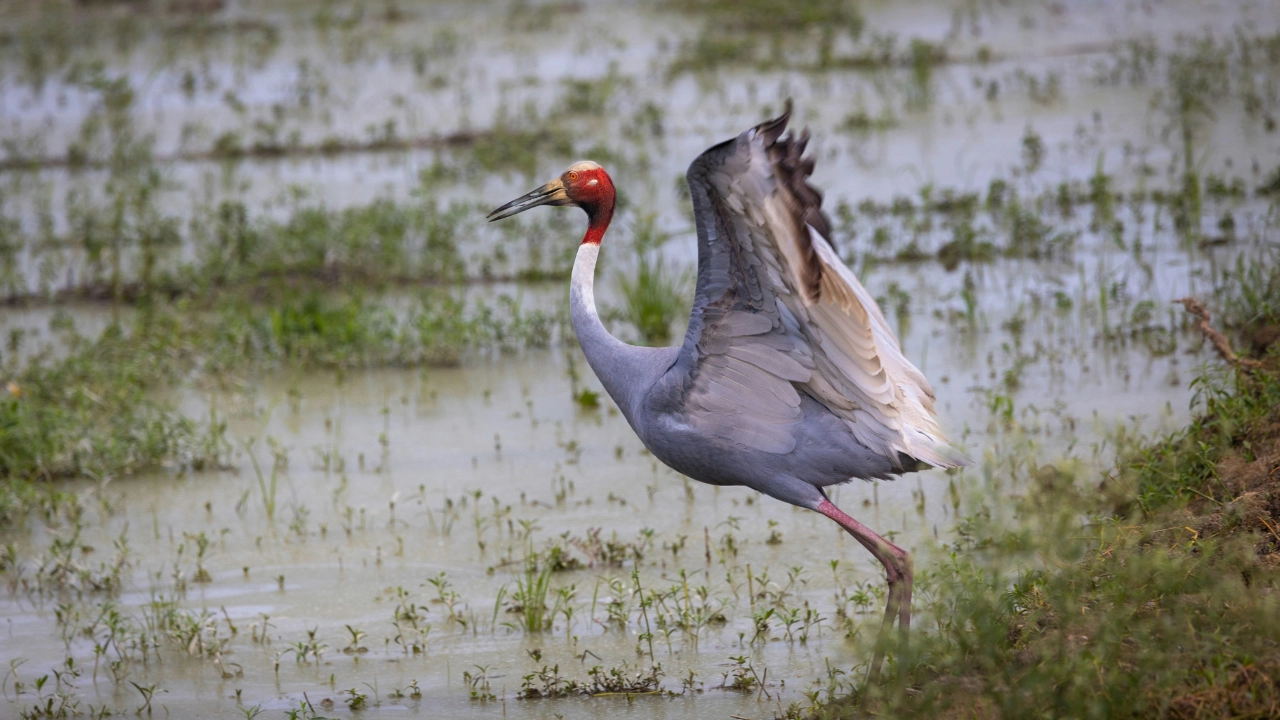
- Visit the Sarus Crane Sanctuary in Lumbini, a Ramsar site teeming with over 5,000 migtatory waterfowl species.
- Immerse yourself in Nepal's rich cultural heritage, including world-famous sites like Boudha Stupa and Pashupatinath.
- Indulge in local cuisine and gain insights into Nepalese traditions at the Jagdishour Taal Community Center.
- Experience breathtaking sunrises and sunsets in the serene Himalayan landscapes.
Itinerary




Included/Excluded
Service Fee Only, Explore Nepal Fully!
FAQs about Bird-Watching Trip in different landscapes of Nepal
The best seasons for bird watching in Nepal are spring (March to May) and autumn (September to November). During these months, both resident and migratory bird species are highly active, the weather is pleasant, and visibility is excellent. Winter is also rewarding for spotting migratory waterbirds that arrive from Central Asia and Siberia.
Nepal is home to more than 890 recorded bird species, making it one of the finest birding destinations in Asia. Despite its small size, Nepal offers an incredible range of habitats, from tropical jungles and wetlands to alpine forests and Himalayan valleys.
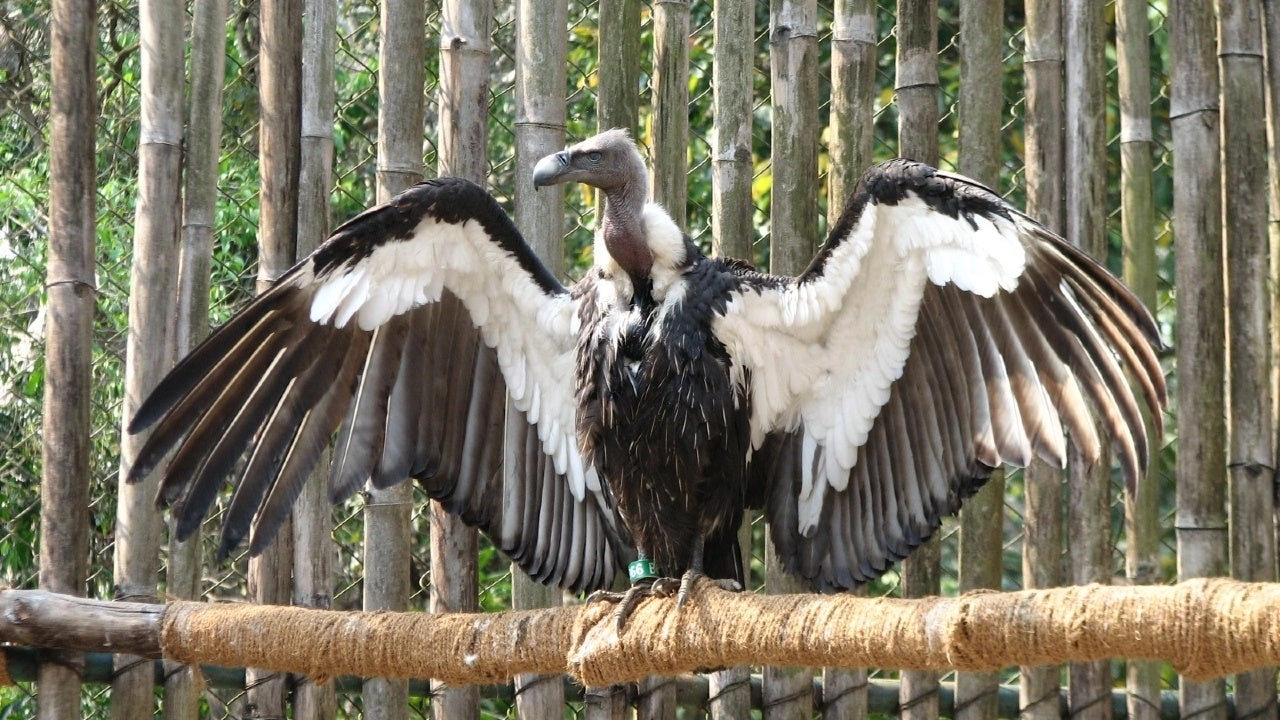
Depending on the season and locations visited, you may encounter species such as the Spiny Babbler, Himalayan Monal, Sarus Crane, Bengal Florican, Hornbills, Eagles, Vultures, Kingfishers, Woodpeckers, Flycatchers, and numerous migratory birds. Every tour offers unique sightings based on migration patterns and weather conditions.
The Spiny Babbler is Nepal's only endemic bird species, meaning it is found nowhere else in the world. It is one of the most sought-after birds for international birdwatchers and can often be spotted in the hills surrounding Kathmandu Valley.
Phulchowki Hill, located on the southern rim of Kathmandu Valley, is Nepal's most famous birding destination. Its forests host hundreds of bird species, including laughingthrushes, woodpeckers, flycatchers, barbets, and raptors, making it a must-visit site for bird enthusiasts.
The Raptor Migration Watch is an annual birding phenomenon where thousands of birds of prey migrate across the Himalayan foothills near Pokhara. Birdwatchers may observe eagles, buzzards, falcons, kestrels, and vultures soaring overhead during migration season.
Chitwan National Park offers some of Nepal's richest wildlife experiences. Besides hundreds of bird species, visitors may encounter the Greater One-horned Rhinoceros, deer, crocodiles, wild boar, monkeys, and if fortunate, the elusive Bengal Tiger.
Yes. Chitwan National Park is one of the best places in Asia to observe the Greater One-horned Rhinoceros in its natural habitat. Jeep safaris and guided wildlife excursions provide excellent opportunities for sightings.
Lumbini is home to important wetland habitats that support the Sarus Crane, the world's tallest flying bird. Birdwatchers visiting the area can observe these graceful birds along with numerous wetland and migratory species.
Yes. Our bird watching tours are led by experienced local naturalists and birding guides who are skilled in identifying bird species, recognizing bird calls, understanding habitats, and sharing insights about Nepal's bird conservation efforts.
No. The tour is suitable for both beginners and experienced birdwatchers. Whether you are identifying your first bird species or maintaining a life list, our guides tailor the experience according to your interests and experience level.
Accommodation includes comfortable hotels, lodges, and wildlife resorts depending on the destination. In Kathmandu, guests may stay at our own hotel, Holy Himalaya Hotel, or choose alternative accommodation based on personal preference and budget.
The tour includes a variety of Nepali, Asian, and international meals. Vegetarian and vegan options are widely available. Special dietary requirements can usually be accommodated with advance notice.
We recommend bringing binoculars, a camera with a zoom lens, a field guide or bird identification app, comfortable walking shoes, lightweight clothing, a hat, sunscreen, and a notebook for recording sightings. Serious bird photographers may also wish to carry a spotting scope.
Nepal offers an extraordinary combination of biodiversity, dramatic landscapes, wildlife, and culture within a relatively small area. In a single trip, birdwatchers can explore Himalayan forests, wetlands, river systems, subtropical jungles, and cultural heritage sites while observing hundreds of bird species found across multiple ecological zones.