Trekking vs Hiking: What’s the Difference?
Many people use the terms "trekking" and "hiking" interchangeably, but they are not exactly the same. Whether you are planning a short nature walk or a multi-day mountain adventure, understanding the difference between trekking and hiking can help you choose the right experience.
In this guide, we'll explore trekking vs hiking, their key differences, benefits, and which activity is best suited for your next outdoor adventure.
What is hiking?
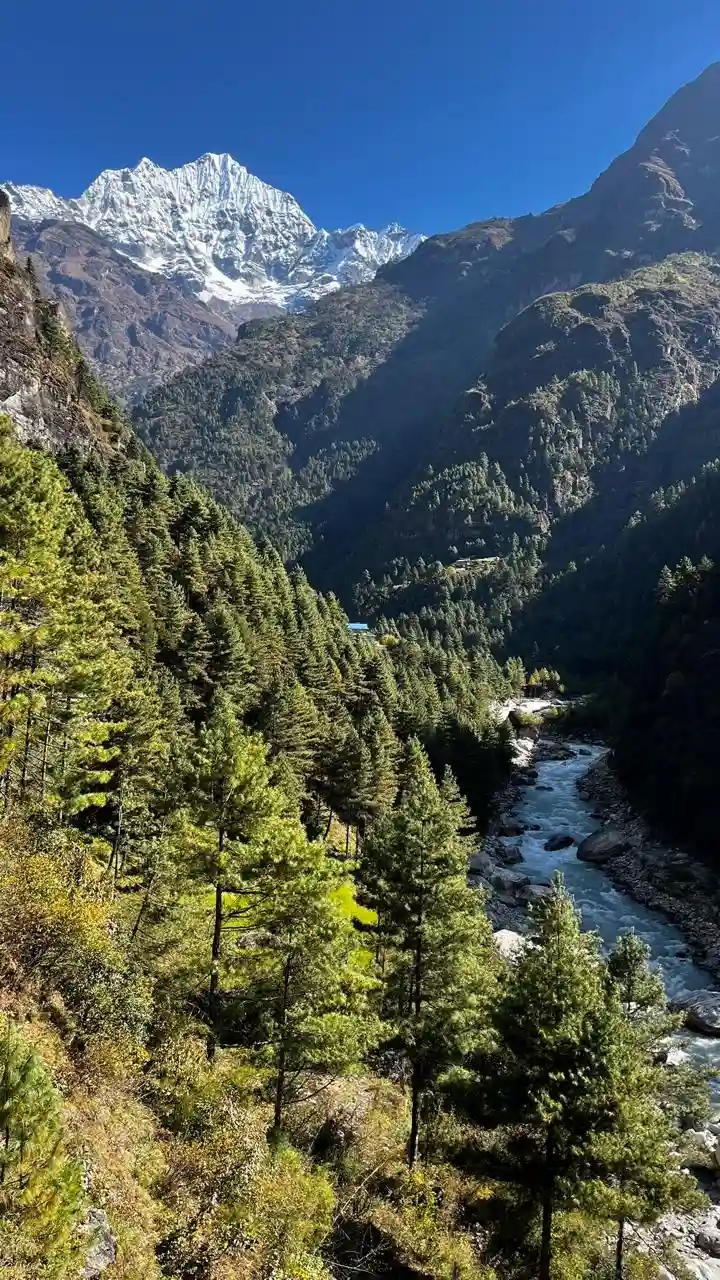
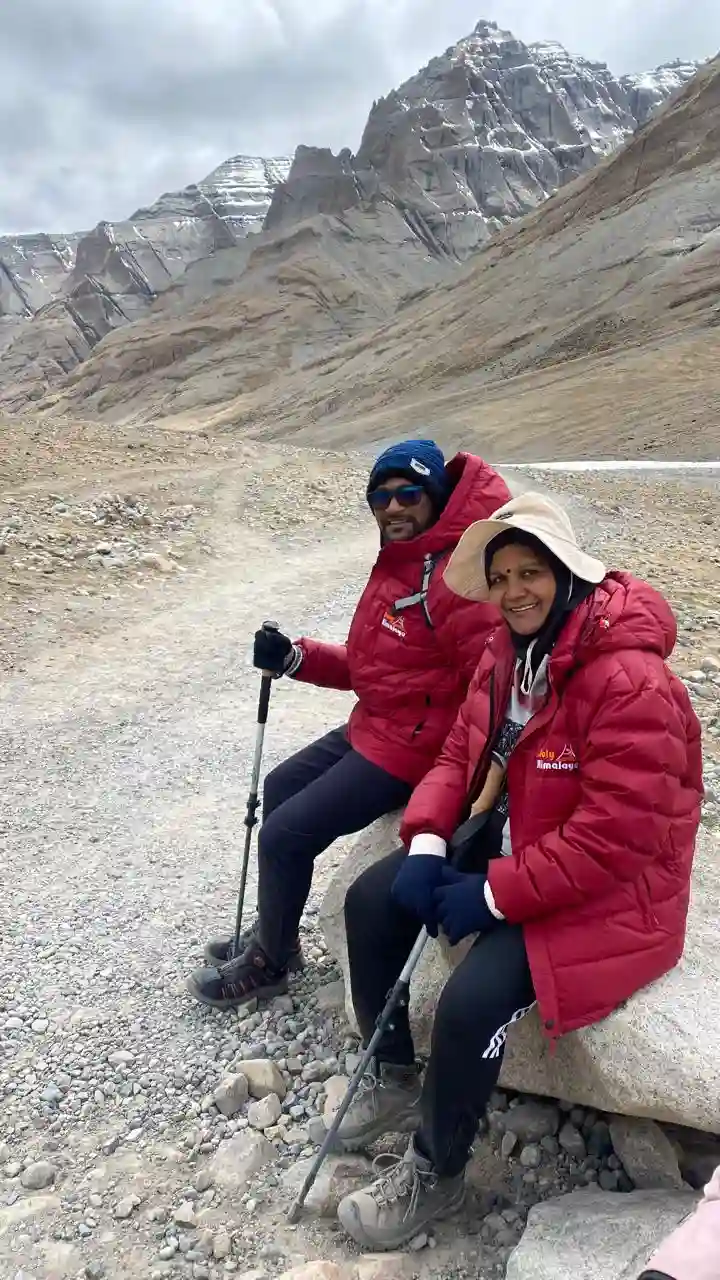
Hiking is a recreational outdoor activity that involves walking on marked trails, forest paths, hills, or nature routes. Most hikes are completed within a day and generally do not require overnight stays.Hiking can range from easy walks in nature parks to challenging uphill climbs. It is popular among people looking to enjoy fresh air, exercise, and scenic landscapes without committing to a long expedition.
Characteristics of Hiking
-> Usually completed in a few hours or one day
-> Takes place on established trails
-> Requires minimal equipment
-> Suitable for beginners and families
-> Focuses on recreation and fitness
What is trekking?
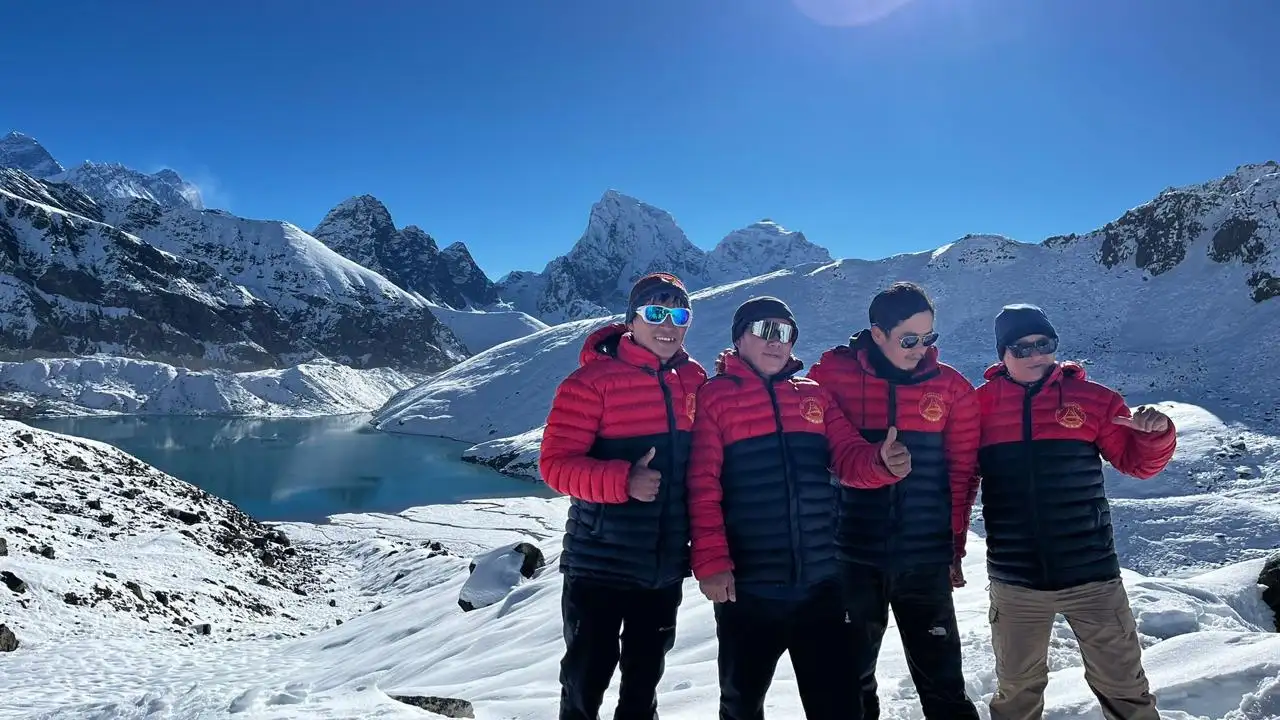
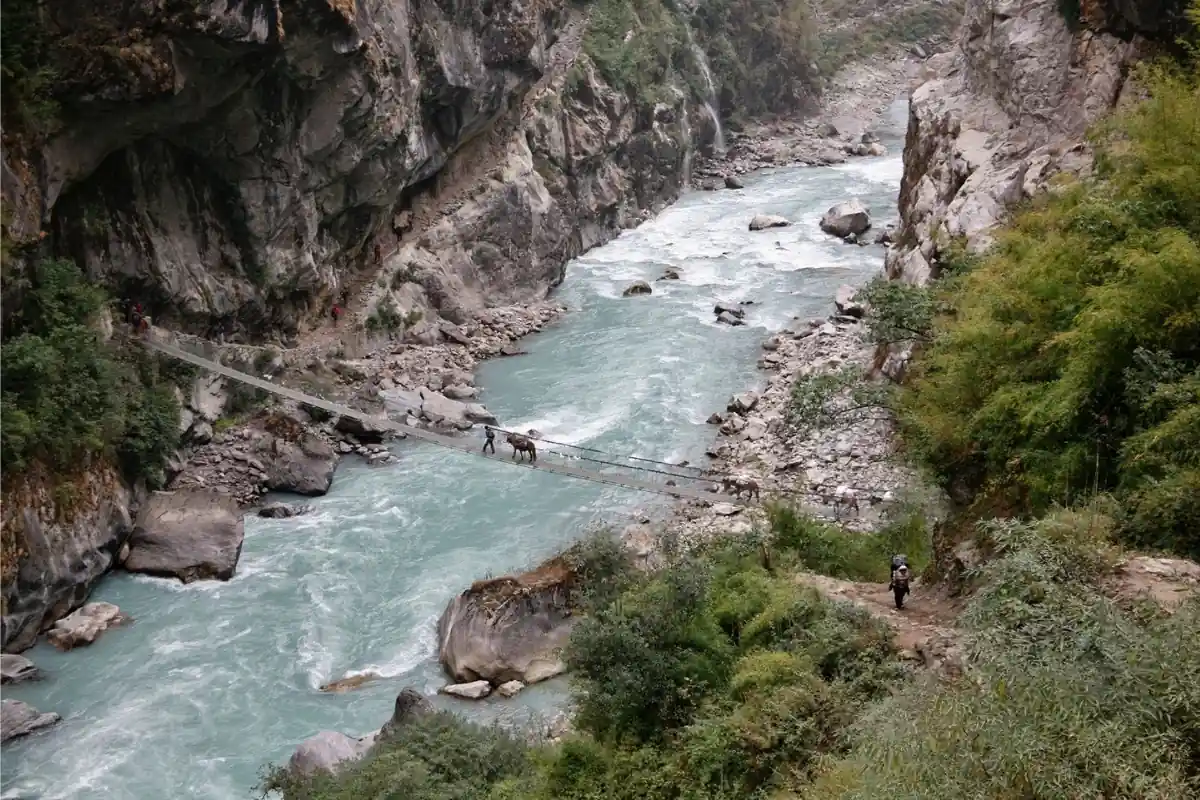
Trekking is a longer and more demanding journey that often takes several days or even weeks. Trekkers travel through remote regions, mountains, valleys, and wilderness areas where facilities may be limited. Unlike hiking, trekking often involves overnight stays in lodges, teahouses, camps, or local villages. It requires greater physical endurance and preparation.
Characteristics of Trekking
-> Multi-day adventure
-> Covers longer distances
-> Often involves higher altitudes
-> Requires specialized gear and planning
-> Ideal for adventure seekers
Trekking vs Hiking: Key Differences
Benefits of Hiking
Hiking offers numerous physical and mental health benefits:
-> Improves cardiovascular fitness
-> Reduces stress and anxiety
Strengthens muscles and joints, Enhances mental well-beings
Benefits of Trekking
Trekking provides a deeper adventure experience:
-> Builds endurance and resilience
-> Allows exploration of remote destinations
-> Creates opportunities for cultural immersion
-> Offers breathtaking mountain scenery
-> Provides a strong sense of achievement
Trekking in Nepal: A World-Class Adventure
Nepal is one of the world's most famous trekking destinations. Home to the Himalayas, the country offers unforgettable trekking experiences for beginners and experienced adventurers alike.
Popular trekking routes include:
-> Everest Base Camp Trek
-> Annapurna Base Camp Trek
-> Manaslu Circuit Trek
-> Langtang Valley Trek
-> Upper Mustang Trek
-> These mountain trekking adventures take travelers through stunning landscapes, traditional villages, ancient monasteries, and some of the highest peaks on Earth.
Which Should You Choose?
Choose hiking if:
-> You have limited time
-> You prefer day trips
-> You are new to outdoor adventures
-> You want a moderate fitness activity
Choose trekking if:
-> You seek a multi-day adventure
-> You enjoy challenging physical activities
->You want to explore remote mountain regions
-> You wish to experience local cultures and Himalayan landscapes
Final Thoughts
When comparing trekking vs hiking, the main difference lies in the duration, difficulty, and level of adventure involved. Hiking is ideal for short outdoor excursions, while trekking offers immersive journeys through remote and often spectacular landscapes.
For those seeking a truly unforgettable experience, trekking in Nepal provides some of the world's finest mountain adventures. From the legendary Everest Base Camp Trek to the scenic Annapurna region, Nepal remains a dream destination for trekkers from around the globe.
Whether you choose hiking or trekking, both activities offer incredible opportunities to connect with nature, improve your health, and create lasting memories.