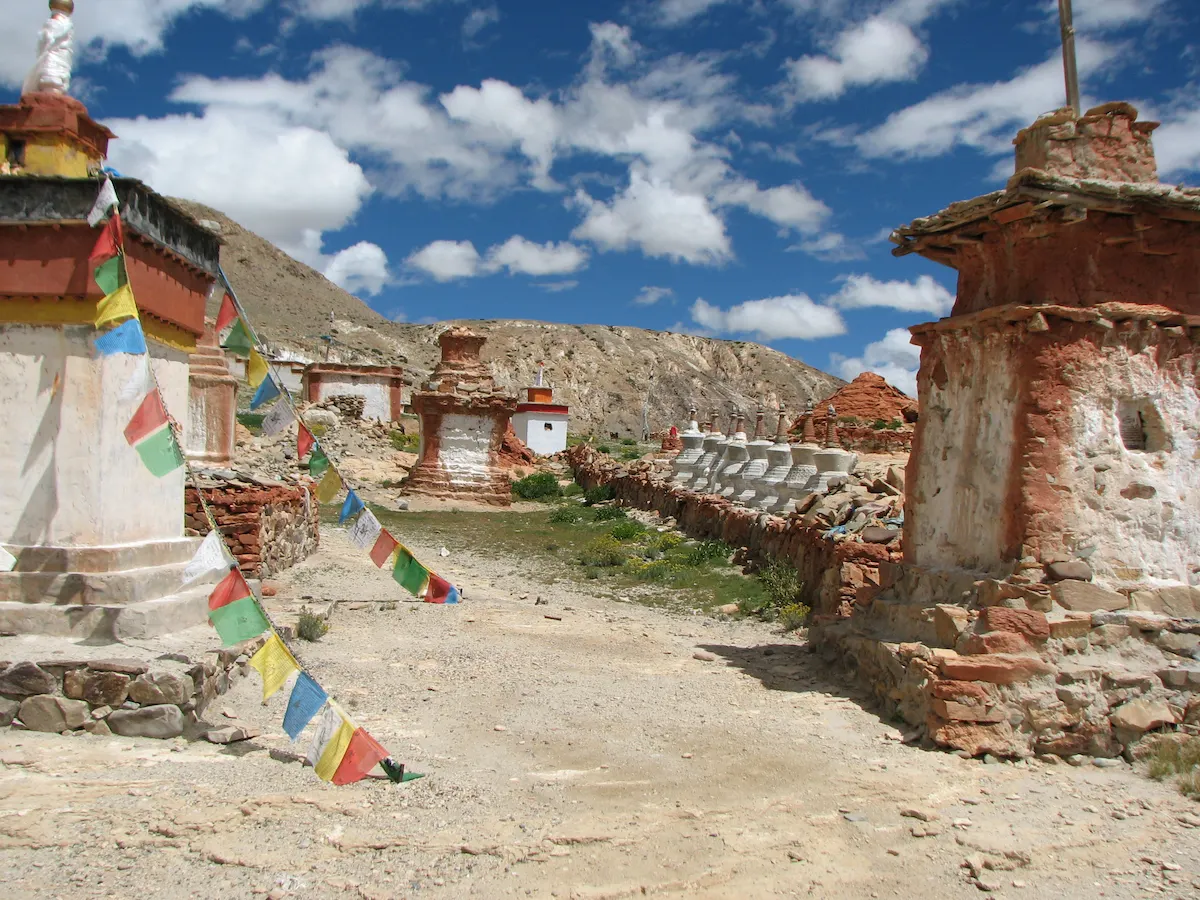
The Sacred Landscape of Buddhism: Kailash and the Path of Enlightenment
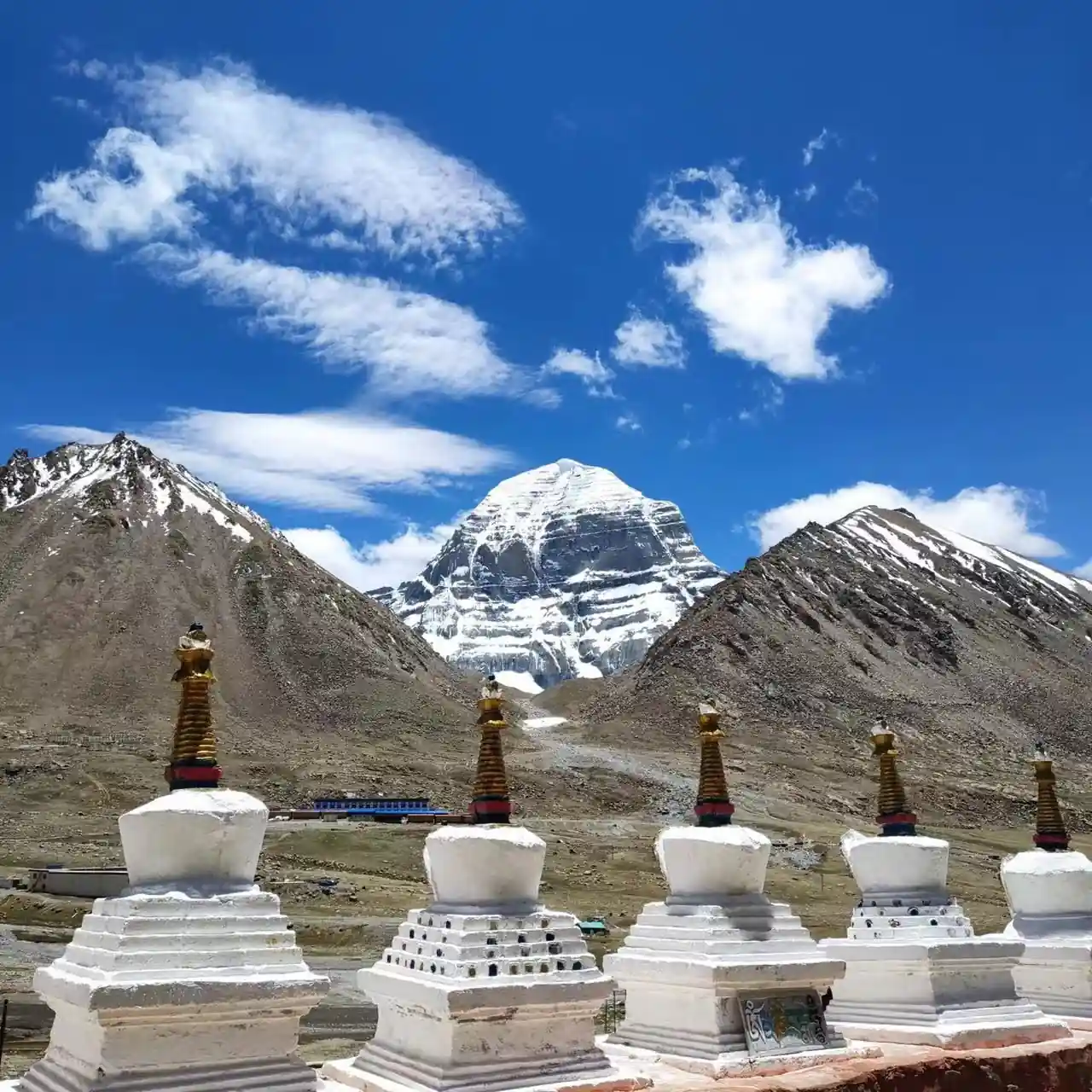
In Buddhism, sacred places are not defined by conquest or permanence, but by their ability to awaken awareness. Mount Kailash, known in Tibetan Buddhism as Mount Kang Rinpoche, “Precious Jewel of Snow”, is revered not as a mountain to be climbed, but as a living mandala, a physical expression of the path to enlightenment.
At Eco Trek Nepal, our role in guiding pilgrims to Kailash is shaped by decades of experience and deep respect for spiritual tradition. As the first company to organise Kailash journeys, and as part of the Holy Himalaya Group founded in 1992, we approach this region not as one that demands humility, patience, and understanding.
Mount Kailash (Kang Rinpoche): The Axis of the Enlightened World
In Tibetan Buddhism, Mount Kailash is revered as Kang Rinpoche, believed to be the earthly manifestation of Mount Meru, the cosmic center of the universe. It is associated most strongly with Demchok (Chakrasamvara), a principal deity representing supreme bliss and the union of wisdom and compassion.
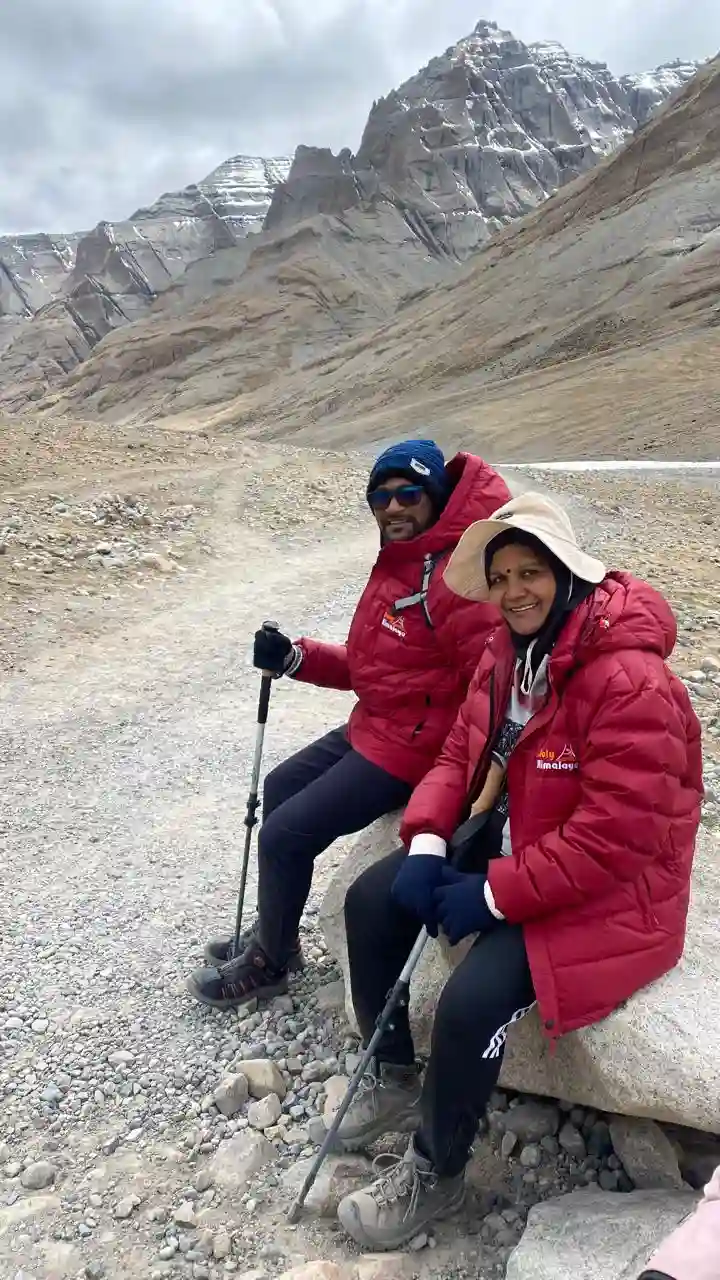
Rather than being climbed, Kailash is honoured through circumambulation, known as Kora. Pilgrims walk the sacred circuit clockwise, aligning body, speech, and mind in a meditative act of devotion.
It is believed that:
-> One kora cleanses the negative karma of a lifetime
-> Thirteen koras bring spiritual purification
-> One hundred and eight koras lead to enlightenment
The kora is not a physical challenge alone, but rather a walking meditation, where breath, intention, and awareness move as one.
The Kailash Kora: Walking the Mandala
The Kailash kora traces a path that mirrors a sacred mandala, symbolising the journey from ignorance to awakening. Each step is an offering, and each moment of difficulty, particularly at Drolma La Pass (5,630 m), represents the surrender of ego and attachment.
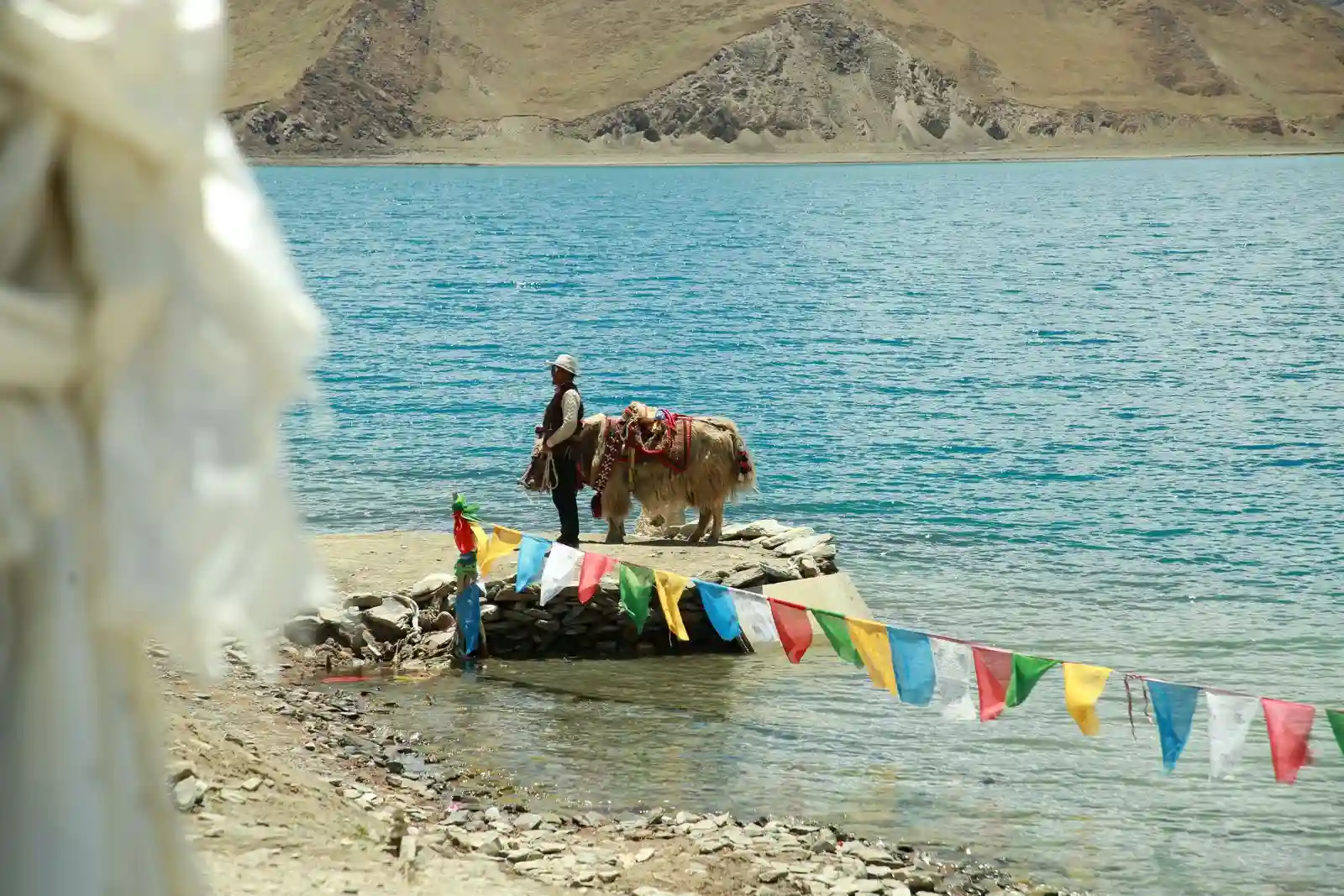
At Drolma La, pilgrims often leave behind a personal item, symbolising the release of past burdens and identities. Prayer flags flutter in the high winds, carrying mantras across the plateau, a reminder that impermanence is not loss, but liberation.
Eco Trek Nepal ensures that pilgrims undertake the kora with proper acclimatisation, guidance, and respect for the spiritual rhythm of the journey.
Lake Mansarovar: The Waters of Tranquility and Insight
In Buddhism, Lake Mansarovar is revered as a place of profound peace and clarity. Its still waters reflect not only the surrounding peaks but the inner state of the practitioner.
Mansarovar is associated with:
-> Mental purity and insight
-> The calming of restless thought
-> Preparation for deeper spiritual practice
Pilgrims often engage in silent meditation and mantra recitation along its shores. Unlike ritual bathing emphasized in other traditions, Buddhism approaches Mansarovar as a space for contemplation and inner stillness.
Time spent here is an essential part of the pilgrimage, allowing the mind to settle before the challenges of the kora.
Drolma La Pass: The Passage of Compassion
One of the most significant points on the Kailash circuit is Drolma La, named after Drolma (Tara), the embodiment of compassion in Tibetan Buddhism. This is also the highest point crossed on the Kailash Kora.
Crossing Drolma La symbolises:
-> Death and rebirth
-> The letting go of fear and attachment
-> Compassion for all sentient beings
The ascent is demanding, but it is approached as a transformative threshold rather than an obstacle. For many pilgrims, this moment becomes the emotional and spiritual heart of the journey.
A Living Practice, Not a Pilgrimage of Distance
In Buddhism, pilgrimage is a method, not a destination. Kailash is revered because it reflects the path of awakening, not because it promises reward.
At Eco Trek Nepal, we guide Buddhist pilgrims and seekers with:
-> Cultural and spiritual sensitivity
-> Respect for monastic traditions
-> A pace that allows for reflection
-> Leadership grounded in lived Himalayan experience
We recognise that each pilgrim’s relationship with Kailash is deeply personal, shaped by intention rather than itinerary.
Preserving the Sacred Through Right Action
Buddhist teachings emphasise right action and right livelihood. Guiding pilgrims to Kailash carries ethical responsibility, not only to travellers, but to the land itself.
Even after 32 years, Eco Trek Nepal remains committed to:
-> Minimising environmental impact
-> Respecting local communities and traditions
-> Ensuring that access to Kailash remains dignified and sustainable
Because sacred landscapes endure only when approached with mindfulness.
Walking the Path with Awareness
For Buddhists, Kailash is a mirror where outer journey reflects inner transformation.
At Eco Trek Nepal, we consider it a privilege to guide pilgrims through this sacred mandala, offering experience shaped by legacy, authenticity, and reverence.