Religious Significance
The Sacred Geography of Hinduism: Kailash, Mansarovar, Gauri Kund, and Rakshastal
In Hindu cosmology, some places are not merely destinations, but living symbols of divine presence. Mount Kailash and the sacred waters that surround it are among the most revered of these places, woven deeply into scripture, mythology, and spiritual practice. For millennia, pilgrims have journeyed across formidable terrain to honour this.
At Eco Trek Nepal, guiding pilgrims to Kailash is a responsibility rooted in history. As the first company to organise Kailash journeys, and as part of the Holy Himalaya Group for over 32 years, we approach this sacred region not as an adventure product, but as a spiritual landscape deserving humility, understanding, and care - a philosophy shaped by our founder, Jyoti Adhikari.
Mount Kailash: The Abode of Lord Shiva
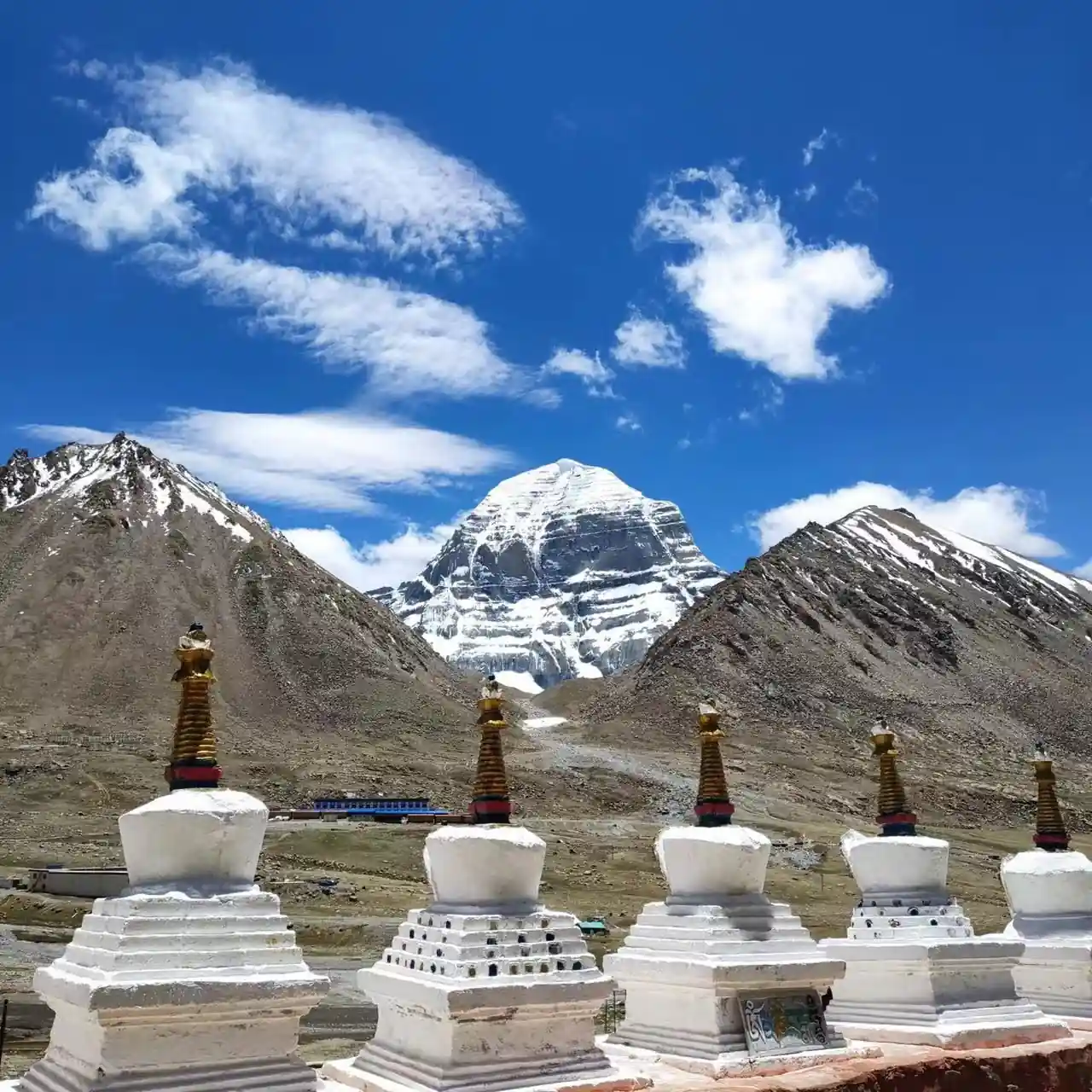
In Hindu belief, Mount Kailash is the eternal residence of Lord Shiva, the supreme yogi and destroyer of ignorance. Unlike other mountains, Kailash is never climbed, out of reverence for its sanctity. Its perfect symmetry and solitary presence rising from the Tibetan Plateau reinforce its status as a cosmic axis, Mount Meru, the spiritual center of the universe.
Scriptures and Puranas describe Kailash as a place where:
-> Shiva resides in perpetual meditation
-> Time dissolves into stillness
-> Earthly illusion gives way to spiritual truth
The Kailash Parikrama is considered one of the most powerful acts of devotion in Hinduism. Completing a single circuit is believed to cleanse the sins of a lifetime, and completing 108 is said to lead to liberation.
The journey is not undertaken lightly. Each step mirrors Shiva’s path of renunciation and inner mastery.
Lake Mansarovar: The Waters of Creation and Purity
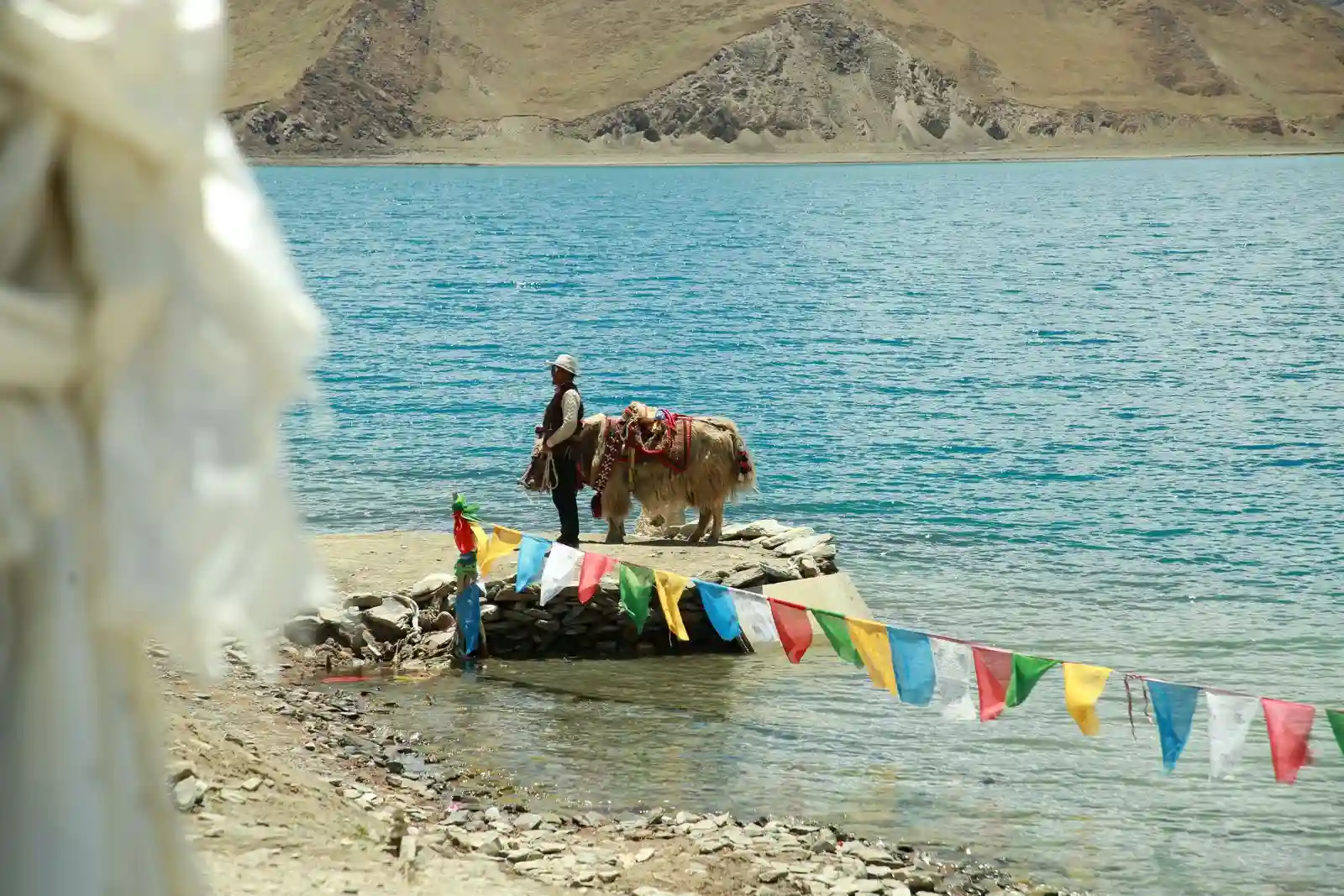
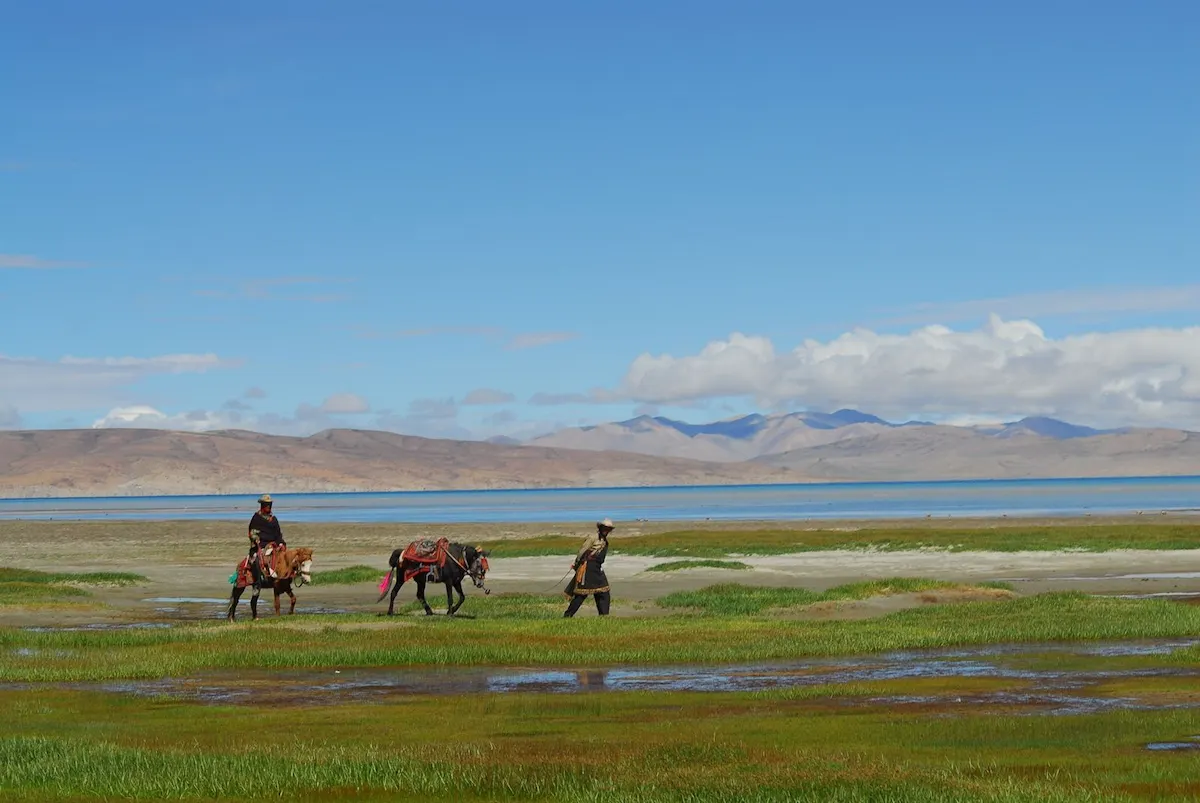
At the foot of Mount Kailash lies Lake Mansarovar, the highest freshwater lake in the world and one of Hinduism’s most sacred bodies of water. According to ancient texts, the lake was created by Lord Brahma through the power of his mind, hence the name Manas (mind) and Sarovar (lake).
Bathing in Mansarovar is believed to:
-> Purify the soul of past karmic burdens
-> Wash away sins accumulated over many lifetimes
-> Prepare the devotee spiritually for the Kailash Parikrama
For pilgrims, the still, reflective waters of Mansarovar represent clarity of mind and spiritual rebirth. Ritual bathing and prayer at its shores form an essential part of the pilgrimage, undertaken with silence, devotion, and respect.
Eco Trek Nepal ensures that time at Mansarovar is never rushed, allowing pilgrims the space to engage in prayer and reflection according to their personal beliefs. While bathing in the lake is no longer permitted, our team ensures each devotee has access to heated Manasarovar water to bathe on the shores.
Gauri Kund: The Sacred Lake of the Divine Feminine
High above the Kailash Parikrama route lies Gauri Kund, a small yet profoundly significant lake associated with Goddess Parvati, consort of Lord Shiva. Hindu mythology recounts that Parvati bathed here before reuniting with Shiva, imbuing the waters with divine feminine energy.
Gauri Kund symbolizes:
-> Purity and devotion
-> The balance between asceticism and compassion
-> The sacred union of Shiva and Shakti
For pilgrims, a visit to Gauri Kund is a moment of quiet reverence, often deeply personal and emotionally resonant. It is said that sincere prayer here strengthens marital harmony and inner balance.
Due to its altitude and remoteness, reaching Gauri Kund requires careful planning and physical readiness. Guided access ensures that the sanctity of the site is preserved while respecting the pilgrim’s wellbeing.
Rakshastal: The Lake of Shadow and Transformation
In stark contrast to Mansarovar lies Rakshastal, a saltwater lake associated with Ravana, the demon king of Lanka and one of the greatest devotees of Lord Shiva. According to legend, Ravana meditated intensely at Rakshastal to gain Shiva’s blessings.
Rakshastal represents:
-> Ego and desire
-> The darker aspects of human nature
-> The necessary presence of shadow in spiritual transformation
Its turbulent waters and austere surroundings stand in deliberate contrast to the calm purity of Mansarovar. Together, the two lakes embody a profound Hindu truth: liberation requires acknowledgment of both light and darkness.
Pilgrims do not bathe in Rakshastal. Instead, it is observed as a reminder that spiritual growth demands humility and self-awareness.
A Sacred Landscape, Not a Checklist
In Hindu tradition, Kailash and its surrounding lakes are not places to be “visited” but encountered. Each site carries layered meaning, and each moment demands presence.
At Eco Trek Nepal, we guide pilgrims through this sacred geography with:
-> Cultural and scriptural context
-> Respect for individual belief systems
-> A pace that honours spiritual intention
-> Leadership grounded in decades of experience
Our journeys are shaped by the understanding that Kailash is not conquered by effort, but approached through reverence.
Walking with Responsibility
The sanctity of Kailash, Mansarovar, Gauri Kund, and Rakshastal has endured for thousands of years. Preserving that sanctity is a shared responsibility; of pilgrims, guides, and those who make access possible.
As a company founded on authenticity and legacy, Eco Trek Nepal remains committed to guiding pilgrims in a way that honours and preserves both tradition and terrain.