
The Sacred Significance of Kailash in Jainism: A Path of Renunciation and Liberation
In Jainism, the highest spiritual aspiration is moksha, liberation of the soul from the cycle of birth and rebirth through discipline, non-violence, and detachment. Certain places in the world are revered not because they promise miracles, but because they embody the conditions in which liberation becomes possible. Mount Kailash is one such place.
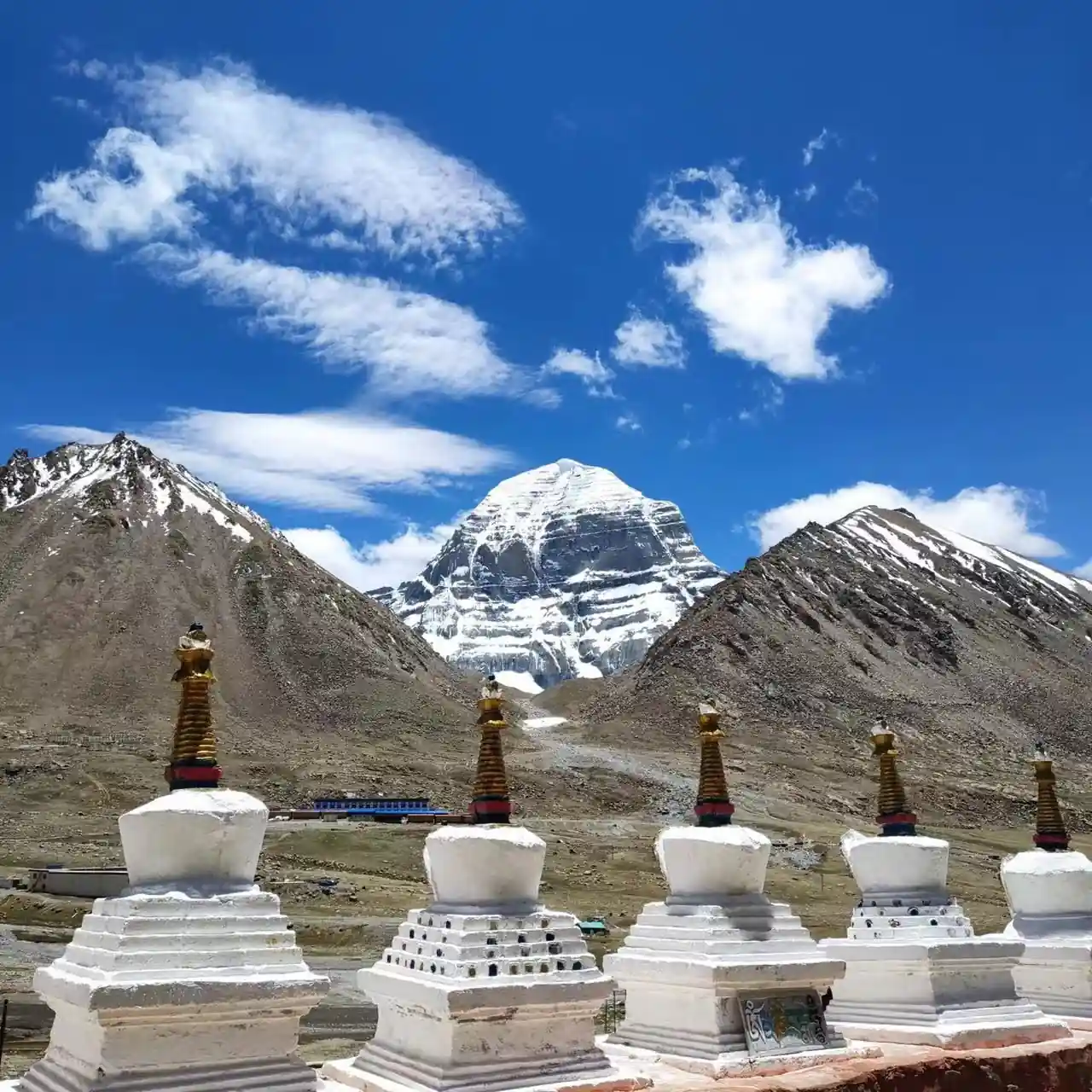
Known in Jain tradition as Mount Ashtapada, Kailash is honoured as a site of profound spiritual attainment. For Jain pilgrims, the journey to Kailash is not undertaken for spectacle or conquest, but as an act of humility, restraint, and reverence.
At Eco Trek Nepal, guiding Jain pilgrims to Kailash is approached with deep respect for this philosophy. As the first company to organise Kailash journeys, and as part of the Holy Himalaya Group founded in 1992, our approach reflects decades of experience and the guiding principles of our founder, Jyoti Adhikari, that sacred journeys must honour belief, simplicity, and intention.
Mount Ashtapada: The Site of Liberation
In Jain cosmology, Mount Ashtapada is believed to be the place where Rishabhadeva (Adinath), the first Tirthankara, attained moksha. This association makes Kailash one of the most sacred pilgrimage sites in Jain tradition.
Ashtapada symbolises:
-> Ultimate renunciation
-> Freedom from worldly attachment
-> The culmination of spiritual discipline
Unlike many pilgrimage sites, Ashtapada is not approached with ritual grandeur. Instead, it is honoured through silence, restraint, and contemplation—values central to Jain philosophy.
The mountain itself stands as a reminder of the soul’s potential when freed from desire and ego.
Pilgrimage as Inner Discipline
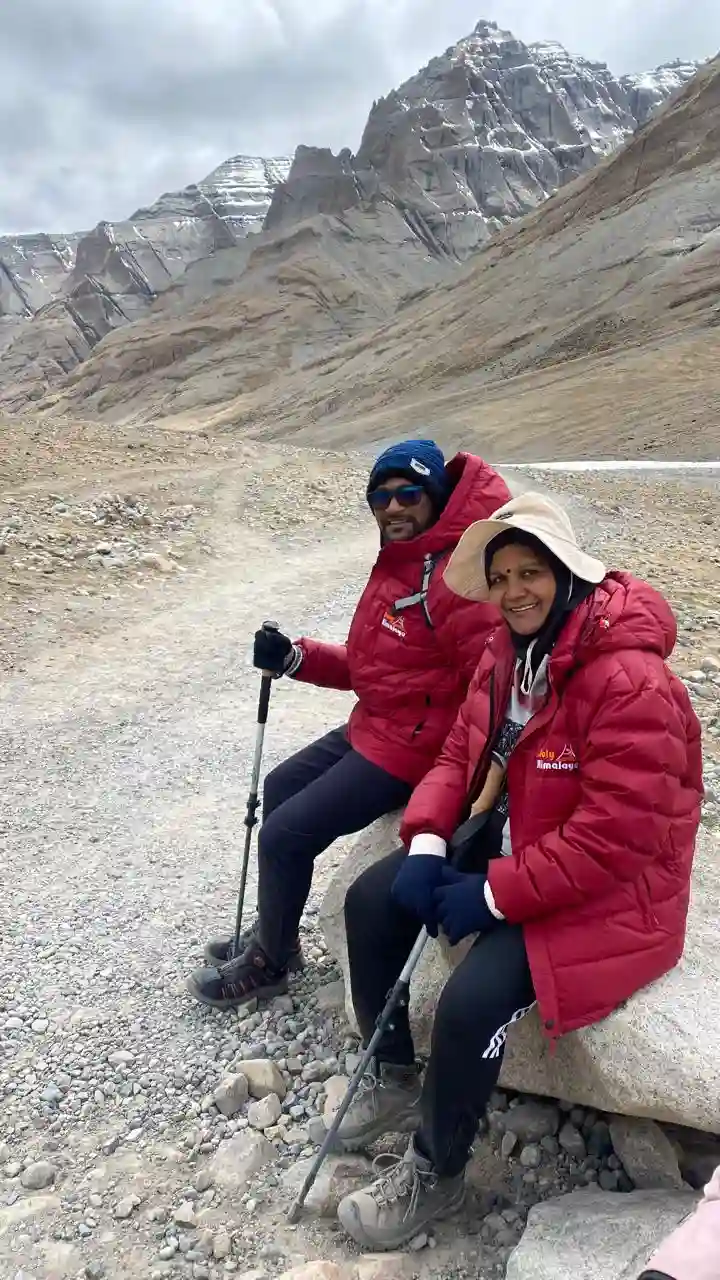
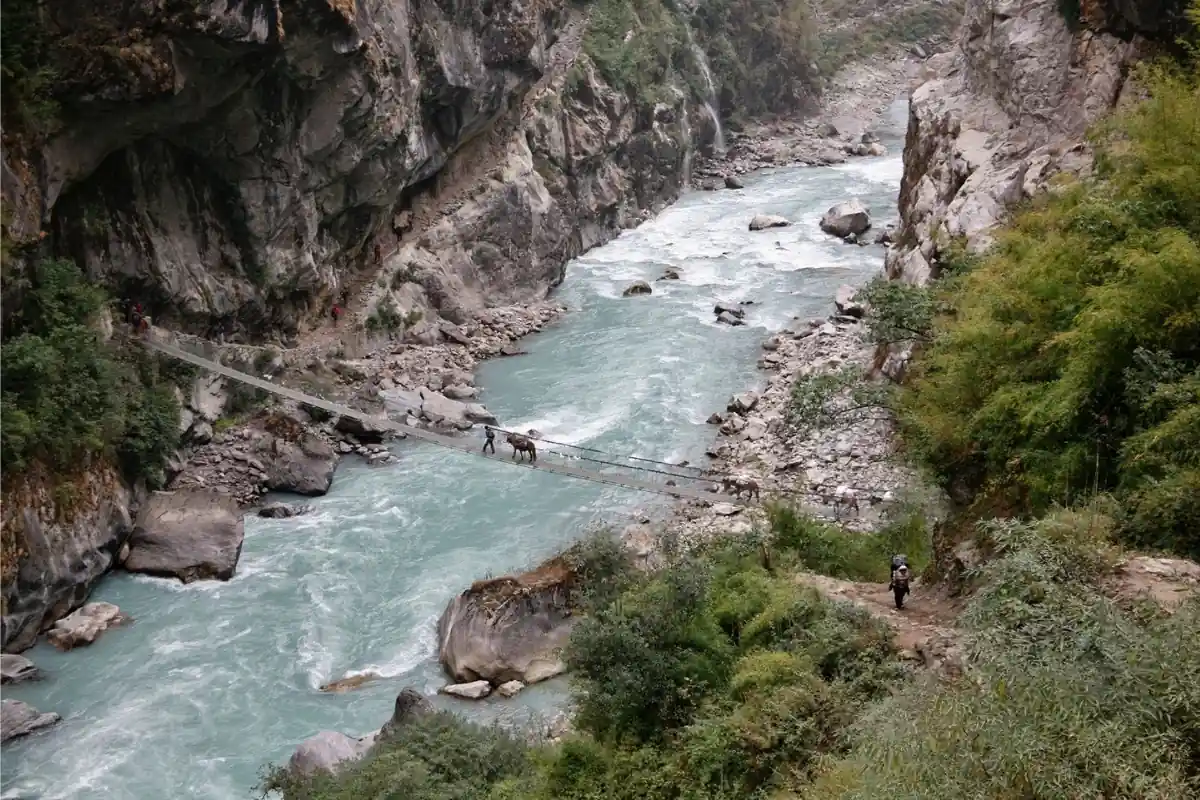
For Jains, pilgrimage is not a journey of external devotion but of inner purification. The hardships encountered along the Kailash route, altitude, cold, simplicity of living, mirror the principles of tapasya (austerity) and self-control.
Circumambulating Kailash is seen as an act of:
-> Mindful movement
-> Renunciation of comfort
-> Non-attachment to outcome
Each step becomes a practice of awareness, aligning body and mind with the Jain path of liberation.
Mansarovar and the Ideal of Purity
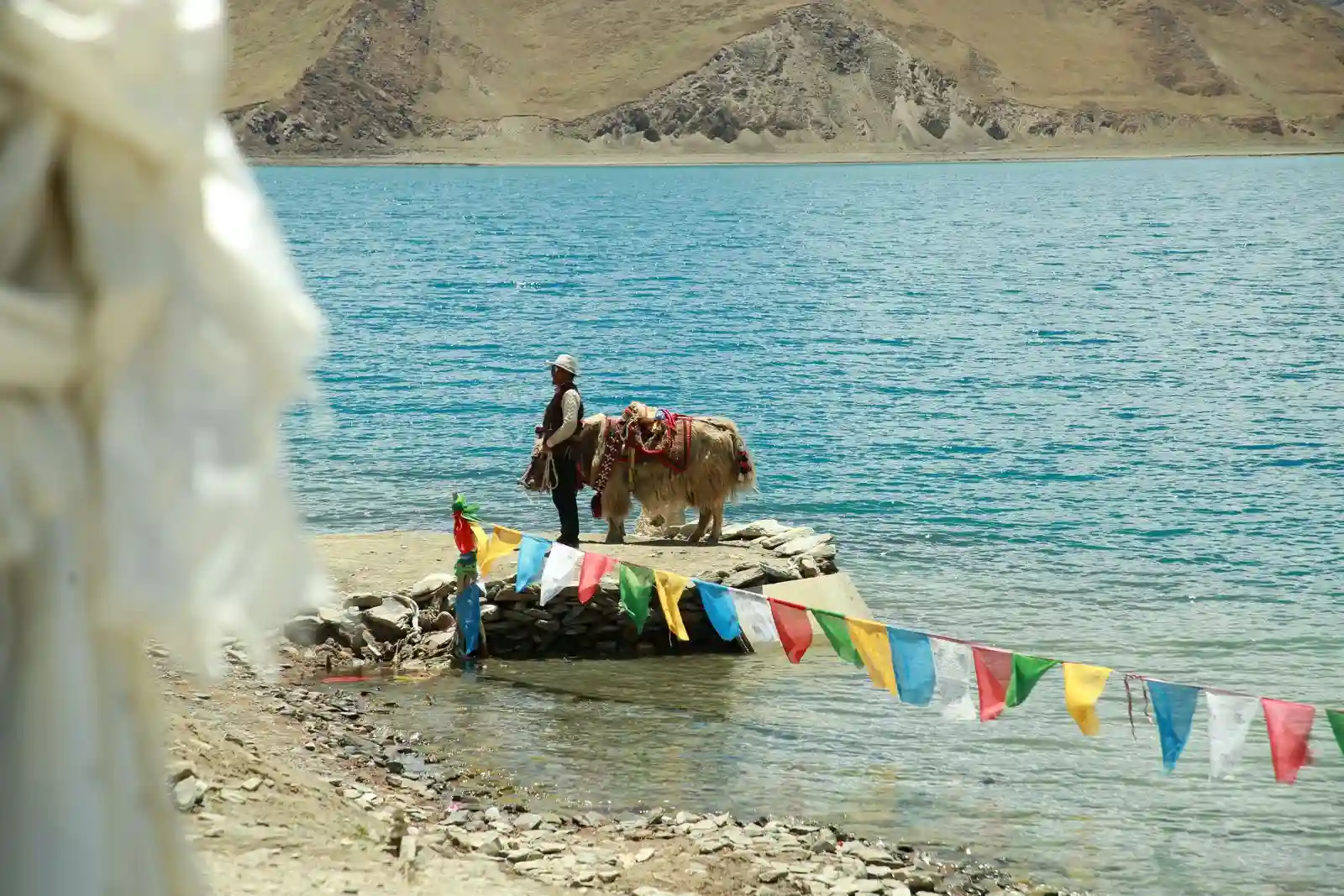
While ritual bathing is not central to Jain practice, Lake Mansarovar holds symbolic importance as a representation of purity, restraint, and clarity.
For Jain pilgrims, time at Mansarovar is often spent in:
-> Silent reflection
-> Recitation of prayers
-> Contemplation of impermanence
The stillness of the lake echoes Jain ideals of simplicity and self-restraint, reinforcing the inward focus of the pilgrimage.
Non-Violence and Sacred Responsibility
At the heart of Jainism lies ahimsa, non-violence in thought, word, and action. This principle extends beyond human relationships to encompass all living beings and the natural world.
A Jain pilgrimage to Kailash therefore carries a deep responsibility:
-> To tread lightly on sacred land
-> To minimise harm to the environment
-> To travel with humility and restraint
Eco Trek Nepal aligns closely with these values, ensuring that journeys are conducted with environmental sensitivity, ethical leadership, and respect for all forms of life.
A Pilgrimage Guided by Restraint and Experience
Eco Trek Nepal understands that Jain pilgrims may seek:
-> A quiet, contemplative pace
-> Simple accommodations aligned with ascetic values
-> Guidance that respects dietary and spiritual practices
-> Space for reflection rather than structured ritual
Our bespoke approach allows each Jain pilgrimage to be shaped according to individual intention, without imposing unnecessary excess.
Liberation Through Simplicity
In Jainism, liberation is not granted, but instead realised through discipline, awareness, and detachment. Mount Kailash, as Ashtapada, stands as a powerful symbol of this truth.
At Eco Trek Nepal, we consider it a privilege to guide Jain pilgrims along this sacred path, offering leadership rooted in legacy, authenticity, and reverence.