
The Sacred Heart of Bon: Mount Kailash and the Primordial Path
Long before the arrival of Buddhism in Tibet, the land was shaped by an ancient spiritual tradition known as Bon. Rooted in nature, ancestral wisdom, and cosmic balance, Bon regards Mount Kailash not as a symbol adopted later, but as a primordial sacred center, the place where the visible and invisible worlds meet.
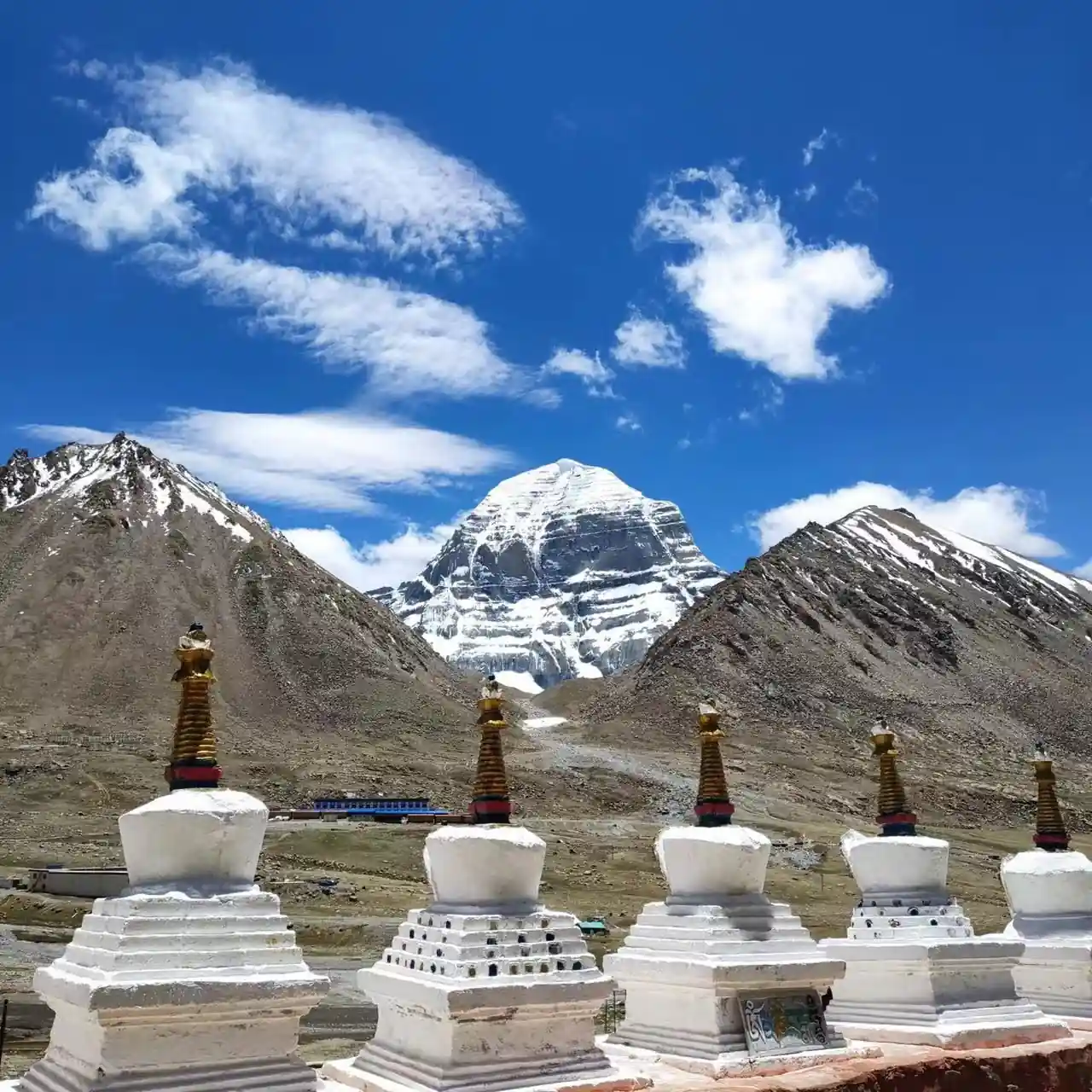
In Bon tradition, Mount Kailash is known as Yungdrung Gutseg, the “Nine-Storey Swastika Mountain,” and is revered as the axis of existence. For followers of Bon, Kailash is not simply sacred but the very foundation of spiritual life.
At Eco Trek Nepal, we approach Bon pilgrims and seekers with deep respect for this ancient lineage. As the first company to organise Kailash journeys, and as part of the Holy Himalaya Group founded in 1992, our guiding philosophy, shaped by our founder Jyoti Adhikari, recognises that Kailash holds layers of meaning far older than any single tradition.
Yungdrung Gutseg: The Eternal Mountain
In Bon cosmology, Mount Kailash is Yungdrung Gutseg, the spiritual seat of Sipai Gyalmo, the Queen of Existence, and the dwelling place of powerful deities and enlightened beings.
The mountain’s name reflects:
-> Yungdrung – the eternal, unchanging truth (symbolised by the swastika, an ancient symbol of auspiciousness)
-> Gutseg – the nine-tiered structure of the cosmos
Together, they represent the structure of the universe itself, linking sky, earth, and the underworld in perfect balance.
Unlike later traditions that adapted Kailash into their cosmology, Bon holds Kailash as its original sacred centre.
Circumambulation in Bon: Moving Against Time
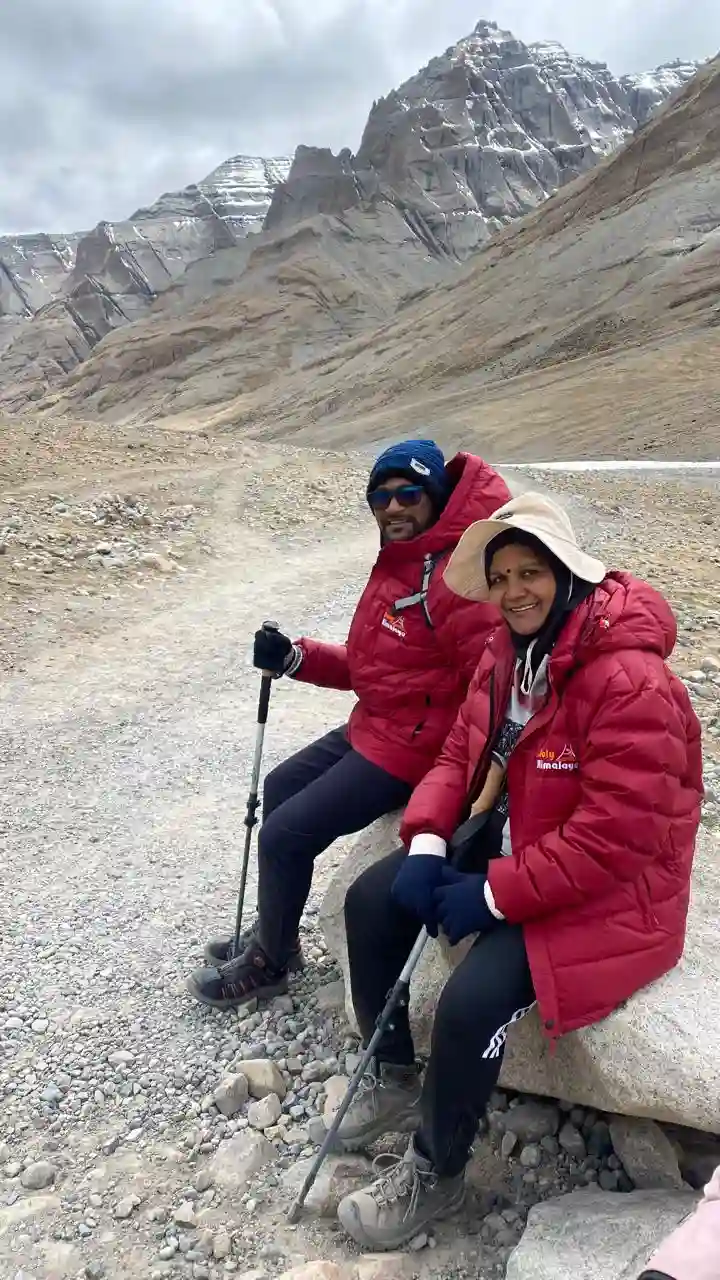
One of the most distinct features of Bon pilgrimage is the counterclockwise circumambulation of Mount Kailash, in contrast to the clockwise direction followed in Buddhism and Hinduism.
This counterclockwise kora reflects:
-> The return to primordial origins
-> The unraveling of illusion
-> Alignment with ancestral rhythms of the cosmos
Walking the kora in Bon tradition is an act of remembrance, of ancient knowledge, ance
The Sacred Waters: Life, Death, and Balance
stral presence, and the natural order of existence.
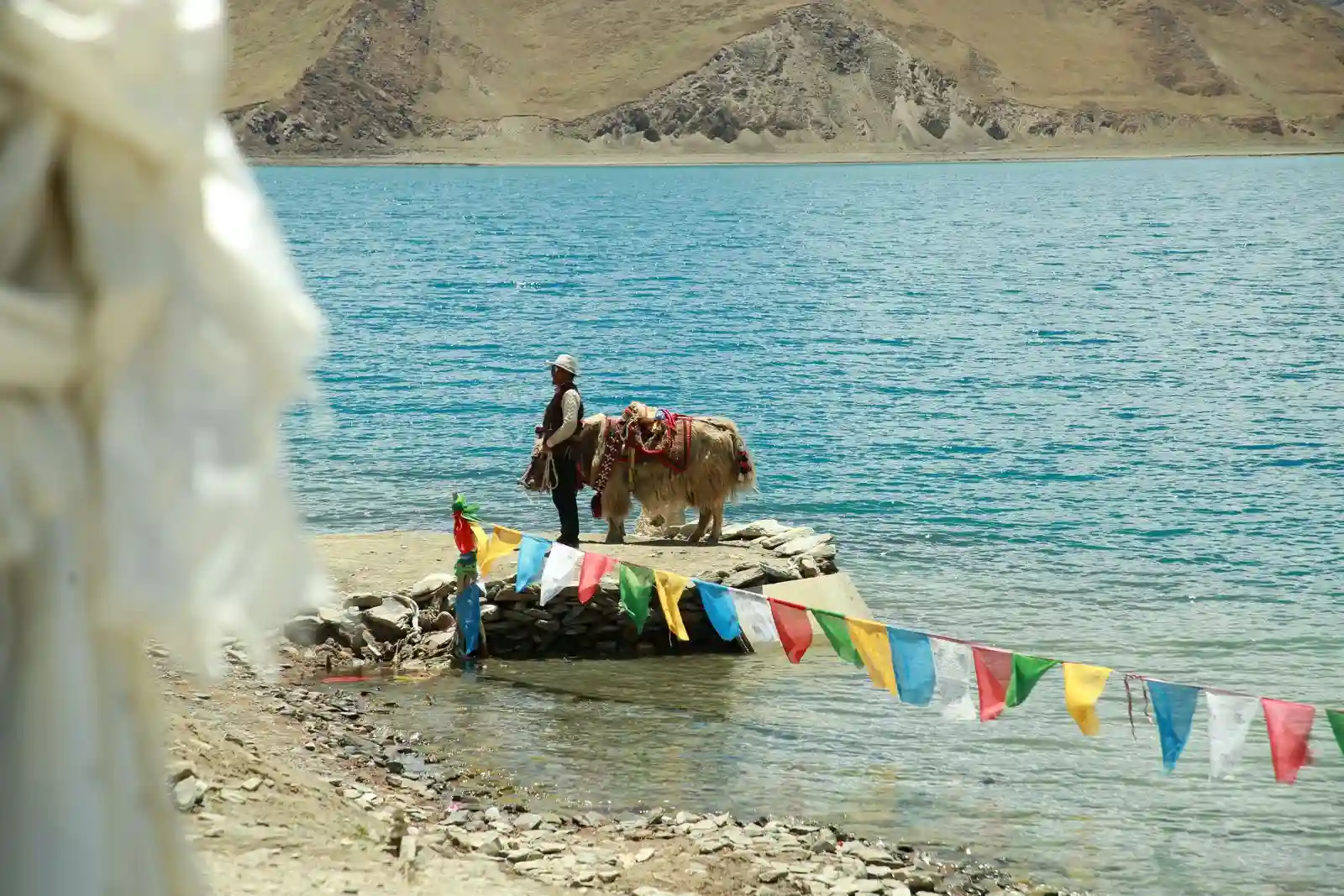
Bon tradition recognises the sacred waters around Kailash as manifestations of elemental balance.
-> Lake Mansarovar is associated with life force, clarity, and renewal
-> Rakshastal represents transformation, impermanence, and the forces that must be acknowledged rather than rejected
Together, these lakes embody the Bon understanding that harmony arises not from denial of darkness, but from balance between opposing forces.
Pilgrims approach these waters with reverence, offering prayers that honour both seen and unseen realms.
Nature as Living Presence
Bon is fundamentally a nature-based spiritual tradition. Mountains, rivers, winds, and stones are regarded as living presences rather than passive elements.
For Bon pilgrims, Kailash is not symbolic, it is alive.
This worldview demands:
-> Respect for the land
-> Mindful movement through sacred terrain
-> Ethical conduct toward all beings
At Eco Trek Nepal, our eco-conscious and low-impact guiding practices align naturally with Bon principles, ensuring that journeys honour the living landscape.
A Tradition of Ancestral Continuity
Bon pilgrimage is not driven by conversion or expansion. It is a continuation, of lineage, memory, and ancestral connection.
Eco Trek Nepal understands that Bon pilgrims often seek:
-> Quiet, unobtrusive guidance
-> Space for personal ritual and prayer
-> Respect for traditional practices
-> An unhurried pace aligned with nature
Our bespoke journeys allow space for these needs, guided by experience rather than instruction.
Honouring the Oldest Path
Mount Kailash stands at the crossroads of multiple faiths, but its oldest voice is Bon, a tradition that speaks of balance, continuity, and reverence for the natural world.
At Eco Trek Nepal, we consider it a privilege to guide those who walk this ancient path, offering leadership grounded in humility, experience, and respect.