Mount Kailash: A Sacred Landscape Beyond Religion
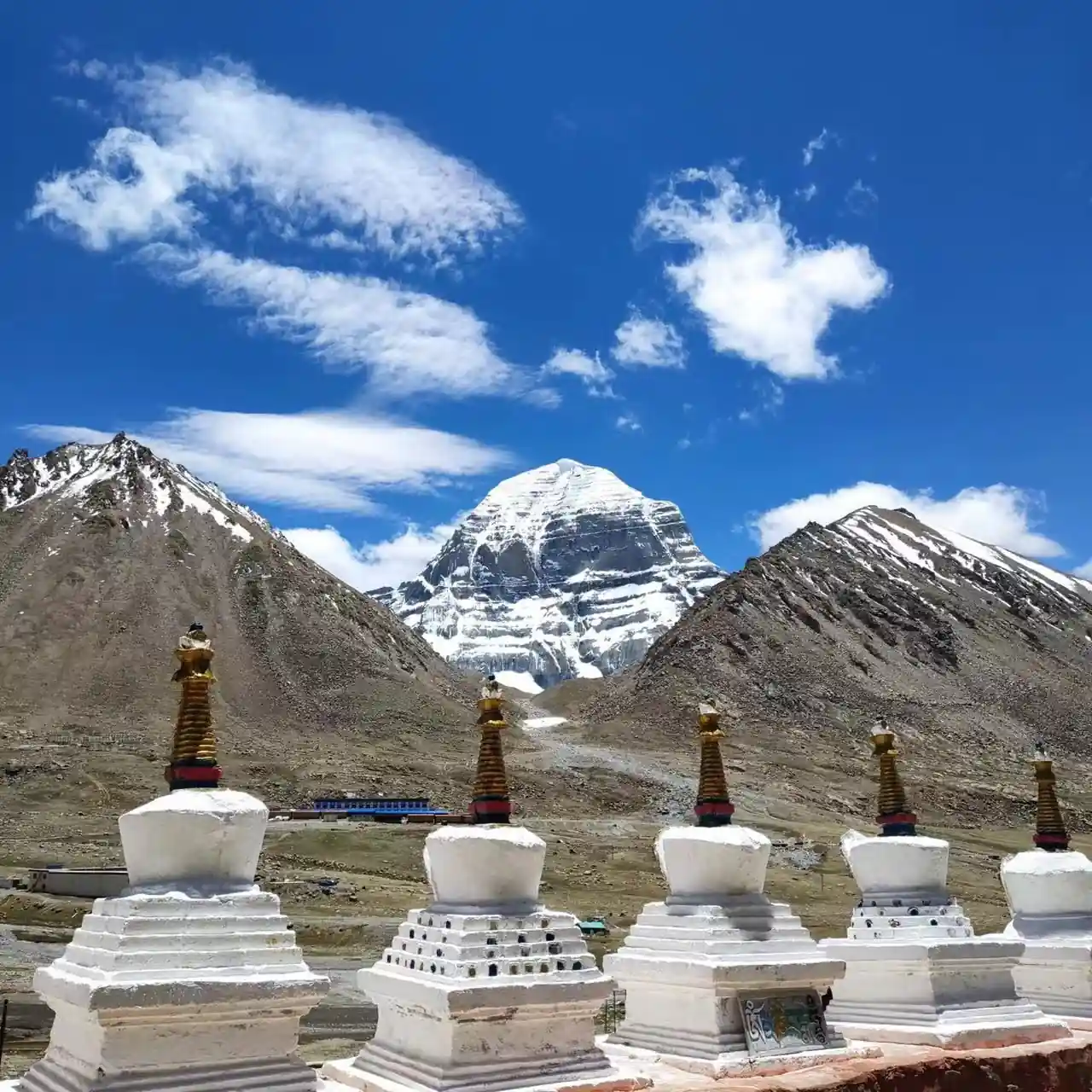
Some places hold meaning that transcends belief systems. Mount Kailash is one such place. Rising in quiet symmetry from the western Tibetan Plateau, this unclimbed mountain has drawn pilgrims, seekers, and contemplatives for thousands of years, not because it promises conquest or spectacle, but because it evokes something older and deeper: reverence.
At Eco Trek Nepal, we have guided travellers to Kailash since the earliest days of organised journeys. As the pioneering company to launch Kailash trips, and as part of the Holy Himalaya Group founded in 1992, our approach, shaped by our founder Jyoti Adhikari, recognises that Kailash is not defined by any single tradition. It is a shared sacred geography, approached differently but respected universally.
A Mountain Revered Across Civilisations
Mount Kailash stands at the intersection of multiple spiritual traditions, each interpreting its presence through a distinct lens, yet all arriving at the same conclusion: this is not an ordinary mountain.
-> In Hinduism, Kailash is the eternal abode of Lord Shiva, the axis of cosmic balance.
-> In Buddhism, it is Kang Rinpoche, a living mandala walked in meditation toward enlightenment.
-> In Jainism, it is Ashtapada, the site of liberation attained through renunciation.
-> In the Bon tradition, it is Yungdrung Gutseg, the primordial center of existence.
What unites these perspectives is not doctrine, but recognition of a place where human understanding naturally quiets. For those outside these traditions, Kailash remains powerful precisely because it resists easy explanation.
The Sacred Waters: Reflections of Inner Landscape
Surrounding Mount Kailash are bodies of water that deepen its symbolic presence, regardless of belief.
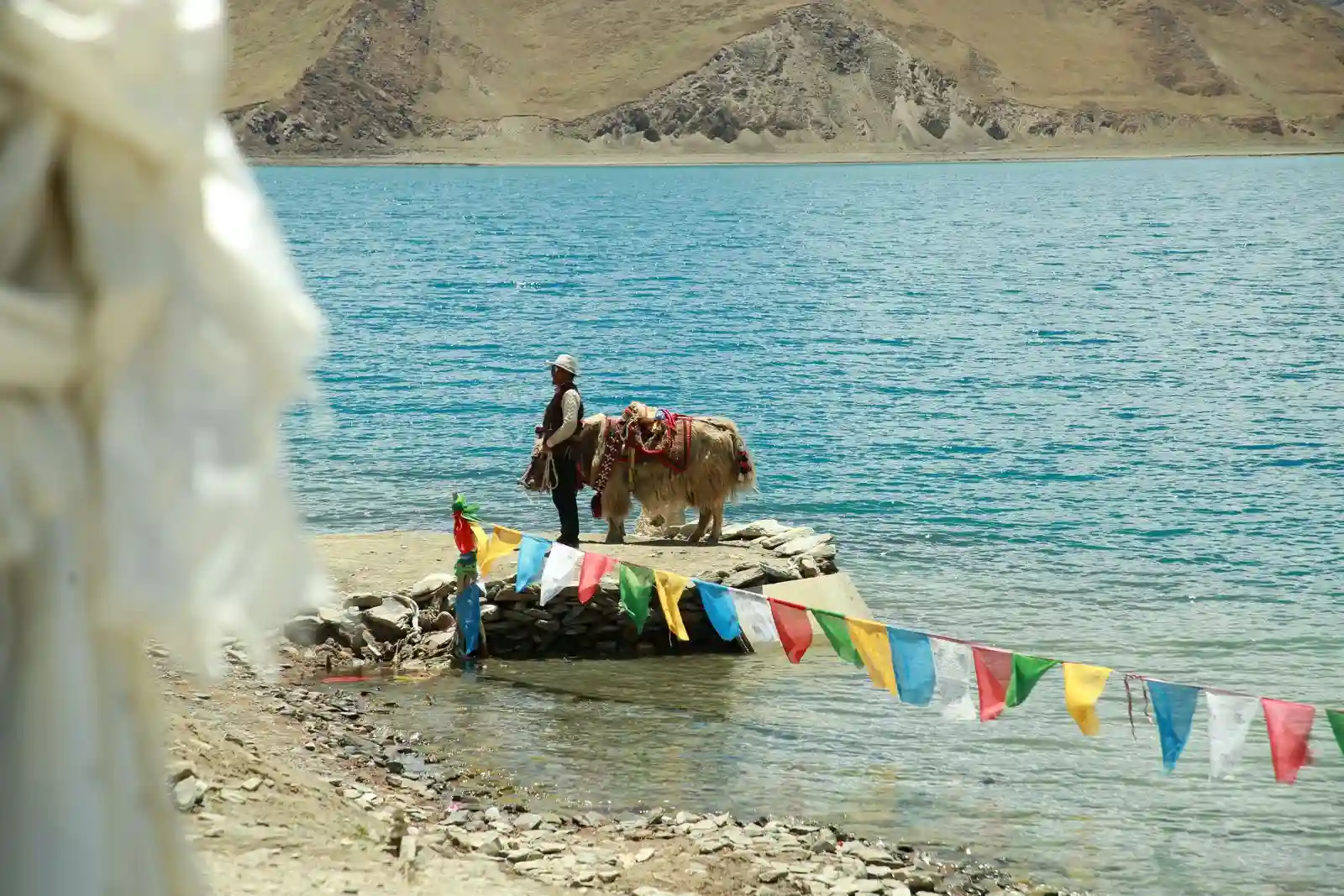
Lake Mansarovar, calm and reflective, has long been associated with clarity, renewal, and inner stillness. Across cultures, it is approached as a place of pause allowing the mind to settle and shift perspectives.
Rakshastal, by contrast, is stark and restless. Its presence reminds visitors that transformation is incomplete without confronting discomfort and shadow. Together, the two lakes form a natural metaphor for balance between calm and turbulence, light and complexity.
Nearby, Gauri Kund, a high-altitude lake reached with effort, represents purification, devotion, and intention, values that resonate beyond theology.
The Act of Circumambulation: Walking Without Needing to Believe
One of the most striking aspects of Kailash is that it is never climbed. Instead, people walk around it.
The act of circumambulation appears across cultures as a gesture of respect. To walk around something is to acknowledge its presence without attempting to dominate it.
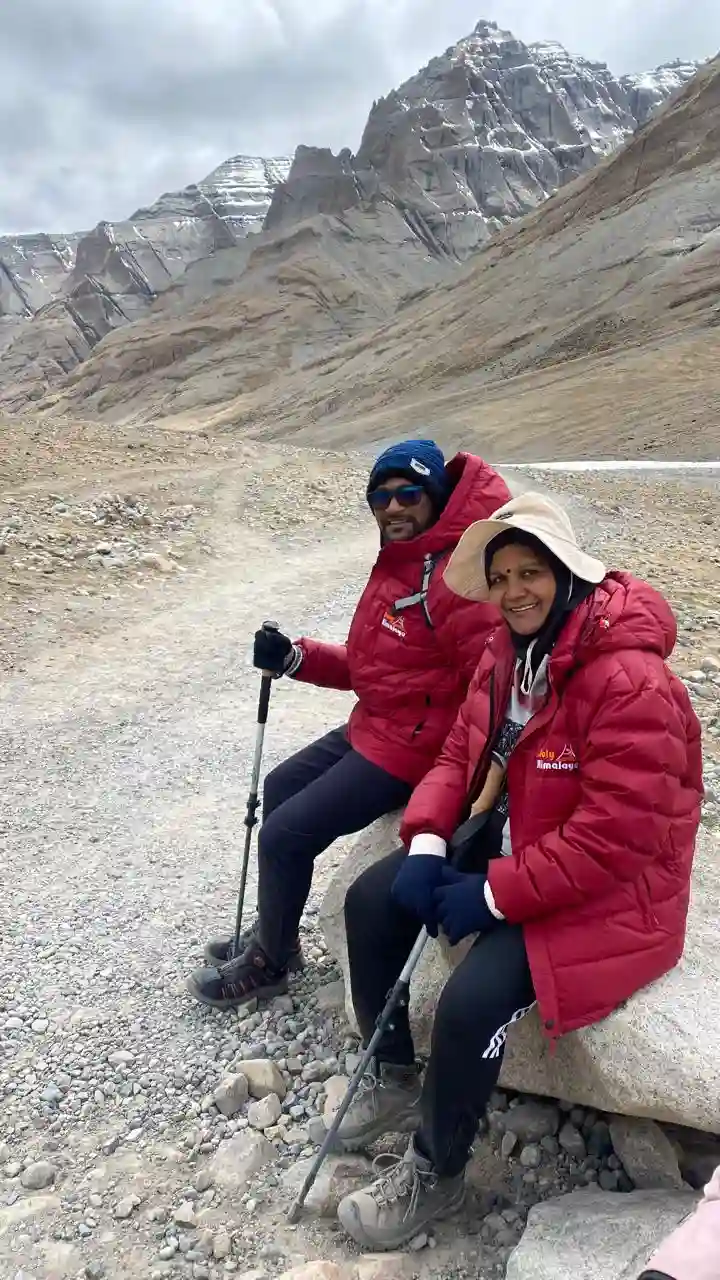
For many visitors without religious affiliation, the Kailash kora becomes:
-> A moving meditation
-> A test of patience and humility
-> A rare opportunity to slow down in a world defined by speed
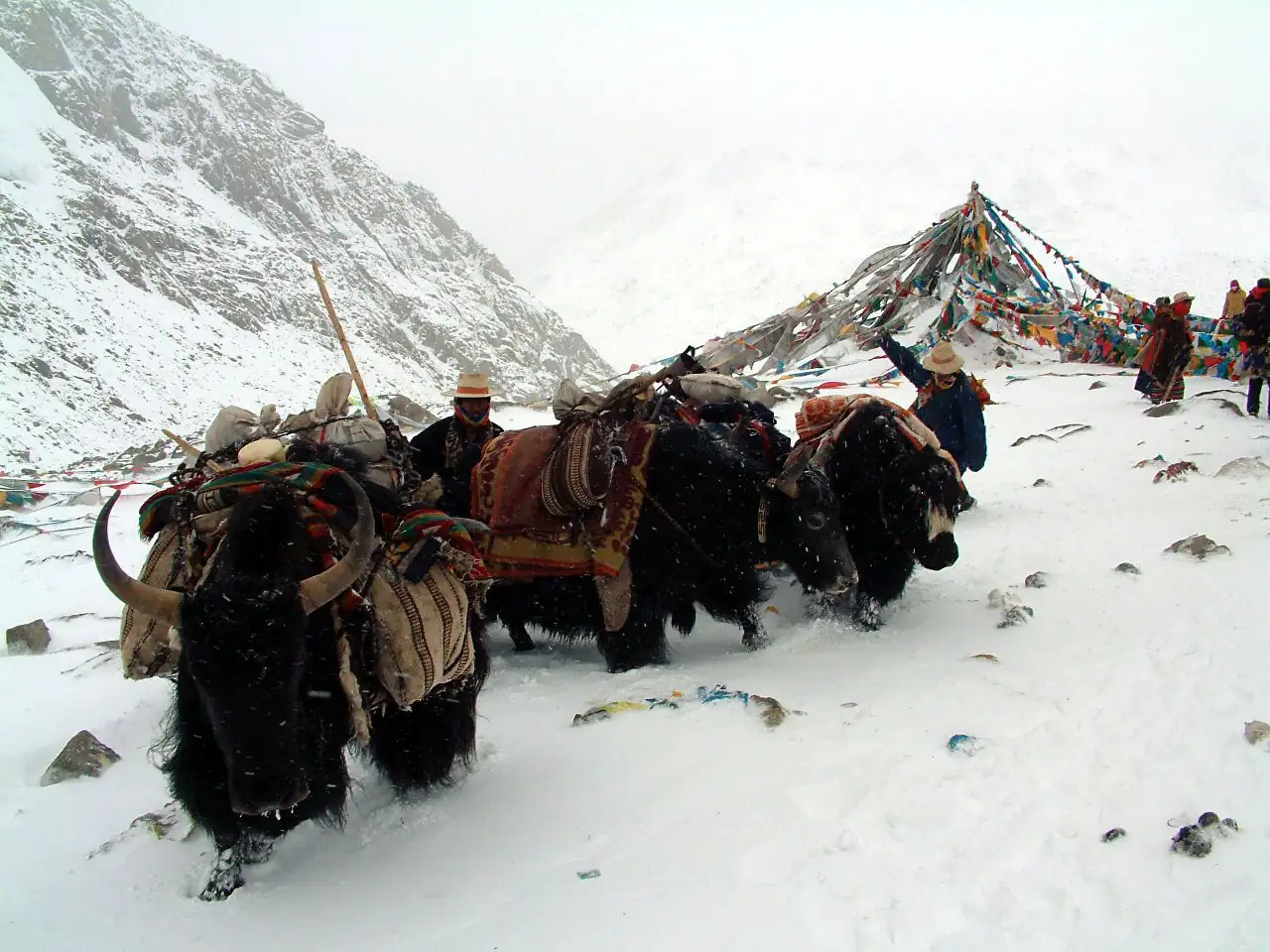
At high points like Drolma La Pass, travellers often describe a sense of emotional release, not tied to belief, but to surrender.
Why Kailash Affects Even the Non-Religious
You do not need faith to feel the gravity of Kailash.
The landscape itself, vast, and uncompromising, creates conditions that naturally turn attention inward. Removed from distraction and excess, travellers often find clarity emerging unprompted.
Many describe Kailash as:
-> A place that strips away noise
-> A journey that recalibrates perspective
-> An encounter that lingers long after return
It is less about answers, and more about stillness.
Approaching the Sacred with Responsibility
Because Kailash is revered by so many traditions, access to it carries responsibility, regardless of belief.
At Eco Trek Nepal, our role is not to interpret meaning for our travellers, but to protect the conditions that allow meaning to arise.
Our approach is defined by:
-> Respect for all spiritual traditions
-> Low-impact, environmentally conscious travel
-> Thoughtful pacing and personal preparation
-> Leadership grounded in decades of Himalayan experience
This philosophy reflects our belief that sacred landscapes endure only when approached with humility.
A Journey Defined by Presence, Not Belief
Mount Kailash does not ask what you believe. It asks how you arrive.
For some, it is a pilgrimage. For others, a cultural journey. For many, it becomes something unnameable, experienced rather than explained.
At Eco Trek Nepal, we guide travellers through this landscape with care, integrity, and quiet confidence, drawing on a legacy that began in 1992 and continues with intention today.
Because some places are not meant to be understood - they are meant to be encountered.